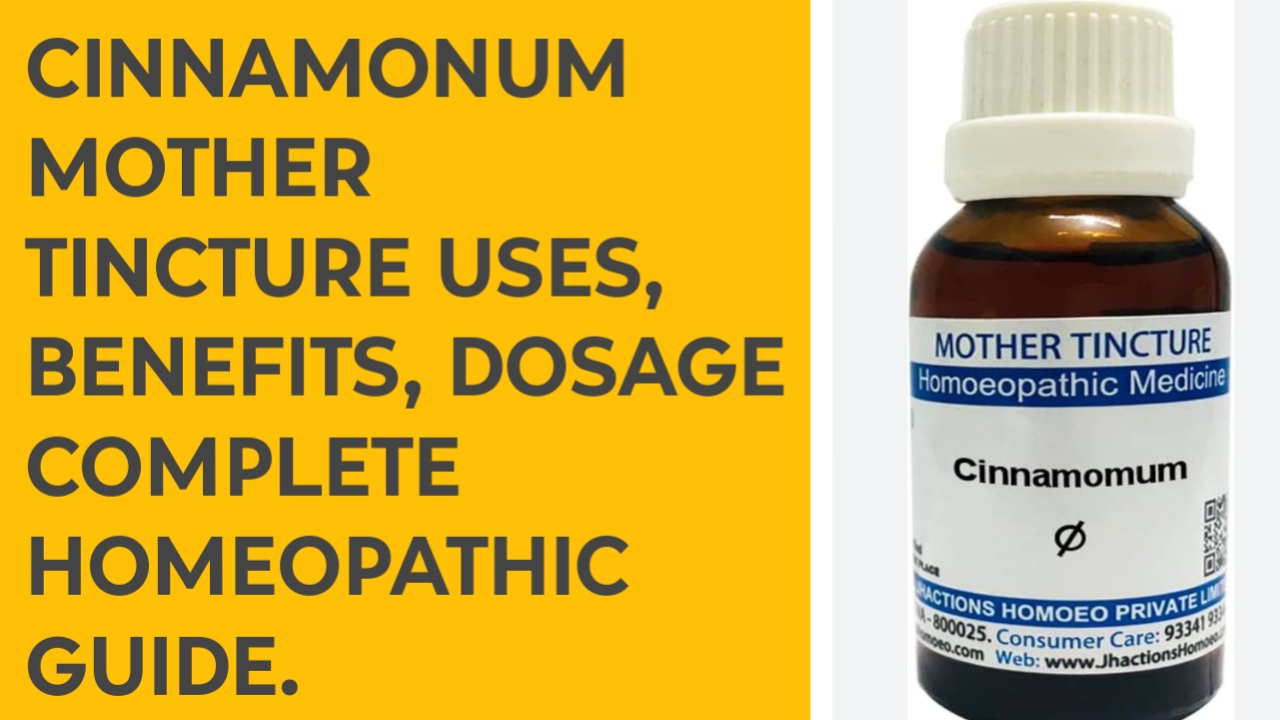
1. Introduction to Cinnamonum Mother Tincture
Cinnamonum Mother Tincture is a well-known homeopathic medicine prepared from the bark of the cinnamon tree. It has been used in traditional medicine for centuries due to its powerful medicinal properties. In homeopathy, Cinnamonum is particularly valued for its ability to control bleeding, improve digestion, and support overall health.
This remedy is often recommended for people experiencing excessive bleeding, digestive disturbances, weakness, and certain inflammatory conditions. The natural compounds present in cinnamon bark make this tincture effective for various health concerns when used in the correct dosage.
Homeopathic practitioners prescribe Cinnamonum Mother Tincture after evaluating a patient’s symptoms and overall constitution. Because it is derived from a natural source, it is considered gentle and safe when used as directed.
The medicine is typically available in liquid form and is usually labeled as Cinnamonum Q or Cinnamonum Mother Tincture. It is manufactured by many reputed homeopathic pharmaceutical companies and is widely available in pharmacies and online stores.
2. What is Cinnamonum in Homeopathy?
Cinnamonum refers to the homeopathic preparation made from the bark of the cinnamon plant. The plant belongs to the Lauraceae family and is widely cultivated in tropical regions.
The two most commonly known species of cinnamon used in traditional medicine include:
- Ceylon Cinnamon (True Cinnamon)
- Cassia Cinnamon
In homeopathy, the tincture is prepared through a specific process known as potentization. This process involves extracting the medicinal properties of the cinnamon bark into alcohol to create the mother tincture.
The final product retains the therapeutic qualities of cinnamon but in a highly diluted form, which aligns with the principles of homeopathy.
Homeopathic Cinnamonum is mainly used for:
- Bleeding disorders
- Digestive problems
- Weakness and fatigue
- Certain menstrual issues
- Gastrointestinal disturbances
Because of its ability to regulate blood circulation and support digestion, it has become a commonly prescribed remedy in homeopathic practice.
3. Botanical Information of Cinnamon Plant
Understanding the plant source of Cinnamonum Mother Tincture helps in appreciating its medicinal properties.
Botanical Name: Cinnamomum verum or Cinnamomum zeylanicum
Family: Lauraceae
Common Names:
- Cinnamon
- Dalchini (in India)
- True Cinnamon
- Sweet Cinnamon
Plant Description
The cinnamon tree is an evergreen tree that grows up to 10 to 15 meters in height. It has smooth bark and aromatic leaves. The inner bark of the tree is harvested and dried to produce cinnamon sticks, which are commonly used as a spice.
The bark contains several bioactive compounds such as cinnamaldehyde, eugenol, and various antioxidants that contribute to its medicinal properties.
Geographical Distribution
Cinnamon is mainly cultivated in tropical countries including:
- Sri Lanka
- India
- Indonesia
- Vietnam
- Brazil
Sri Lanka is considered the largest producer of true cinnamon.
4. How Cinnamonum Mother Tincture is Prepared
The preparation of Cinnamonum Mother Tincture follows the standard methods used in homeopathy.
Step-by-Step Preparation Process
- Selection of raw cinnamon bark
- Cleaning and drying of the bark
- Crushing the bark into smaller pieces
- Soaking the plant material in alcohol
- Allowing the mixture to macerate for several days
- Filtering the liquid extract
The filtered liquid becomes the mother tincture, commonly labeled as Cinnamonum Q.
This tincture serves as the base for preparing different homeopathic potencies if required.
5. Key Active Compounds in Cinnamon
The medicinal properties of Cinnamonum come from several active compounds naturally present in cinnamon bark.
Important compounds include:
- Cinnamaldehyde
This compound gives cinnamon its characteristic aroma and has antibacterial and anti-inflammatory properties. - Eugenol
Eugenol contributes to pain relief and antimicrobial effects. - Polyphenols
These antioxidants help fight oxidative stress in the body. - Coumarin
Present mainly in cassia cinnamon, it may affect blood clotting if consumed in very large amounts.
Because of these compounds, cinnamon has long been used in traditional medicine for digestion, infections, and circulation problems.
6. Main Uses of Cinnamonum Mother Tincture in Homeopathy
Cinnamonum Mother Tincture is prescribed for several health conditions. Homeopathic doctors usually select it based on characteristic symptoms.
Common uses include:
- Bleeding Disorders
Cinnamonum is widely used for excessive bleeding from the uterus, nose, or wounds. - Digestive Problems
It helps relieve indigestion, gas, and stomach discomfort. - Weakness After Blood Loss
Patients who feel weak after heavy bleeding may benefit from this remedy. - Menstrual Problems
It may help manage heavy menstrual flow in some individuals. - Diarrhea and Gastrointestinal Issues
Cinnamonum can sometimes help regulate bowel movements and reduce digestive irritation.
These uses are based on traditional homeopathic practice and clinical experience.
7. Health Benefits of Cinnamonum Mother Tincture
Cinnamonum Mother Tincture offers several potential health benefits when used under proper guidance.
- Helps Control Excessive Bleeding
One of the most recognized benefits of Cinnamonum is its ability to control bleeding. It may be recommended in cases of heavy menstrual bleeding, nosebleeds, or bleeding from minor injuries.
- Supports Digestive Health
Cinnamon has long been used to improve digestion. The tincture may help reduce bloating, indigestion, and stomach discomfort.
- Improves Blood Circulation
Cinnamon compounds may help improve circulation, which supports overall body function.
- Antimicrobial Properties
The natural compounds in cinnamon have antimicrobial effects that may help protect against certain infections.
- Reduces Weakness
People experiencing weakness due to blood loss or illness may find this remedy supportive when prescribed appropriately.
8. Cinnamonum Mother Tincture for Bleeding Disorders
Homeopathic practitioners frequently use Cinnamonum for bleeding conditions.
Symptoms that may indicate the need for Cinnamonum include:
- Bright red bleeding
- Frequent nosebleeds
- Heavy menstrual flow
- Bleeding after minor injuries
- Weakness due to blood loss
The remedy is believed to help regulate blood flow and support the body’s natural healing mechanisms.
However, persistent or severe bleeding always requires medical evaluation.
9. Cinnamonum Mother Tincture for Digestive Problems
Digestive complaints are another area where Cinnamonum may be helpful.
Possible digestive symptoms treated include:
- Indigestion
- Gas and bloating
- Mild stomach cramps
- Loss of appetite
- Diarrhea with weakness
The warming properties of cinnamon may stimulate digestive enzymes and improve gut function.
10. Cinnamonum for Women’s Health
Cinnamonum is sometimes recommended in homeopathy for women experiencing menstrual issues.
Possible indications include:
- Heavy menstrual bleeding
- Weakness during menstruation
- Irregular periods
- Bleeding between cycles
The remedy is believed to support the body’s natural balance and reduce excessive blood flow.
Women experiencing severe or prolonged symptoms should always consult a qualified healthcare professional.
11. Side Effects of Cinnamonum Mother Tincture
Homeopathic medicines are generally considered safe when used in the recommended dosage. However, like any medicinal preparation, Cinnamonum mother tincture may cause mild side effects in some individuals.
Possible side effects include:
• Mild stomach irritation
• Burning sensation in the stomach
• Allergic skin reactions in sensitive individuals
• Temporary digestive discomfort
• Mouth irritation if taken in excess
These effects are usually rare and occur only when the tincture is taken in large quantities or without proper dilution.
Most people tolerate the remedy well when used according to professional guidance.
If any unusual symptoms occur, it is best to discontinue use and consult a healthcare professional.
12. Precautions While Using Cinnamonum Mother Tincture
Although Cinnamonum tincture is considered safe, certain precautions should be followed.
- Always use the medicine in the recommended dosage.
- Avoid self-medication for serious medical conditions.
- Pregnant or breastfeeding women should consult a doctor before using the remedy.
- People with severe allergies to cinnamon should avoid using it.
- The tincture should always be diluted in water before consumption.
- Keep the medicine away from children.
- Store the bottle in a cool, dry place away from sunlight.
Following these precautions helps ensure safe and effective use of the medicine.
13. Who Should Avoid Cinnamonum Mother Tincture
Certain individuals should avoid taking this remedy unless advised by a qualified practitioner.
These include:
• People with cinnamon allergy
• Pregnant women without medical advice
• Individuals with severe liver disease
• Children below five years without supervision
• Patients already taking strong medications for bleeding disorders
In such cases, professional guidance is essential.
14. Drug Interactions
Cinnamonum mother tincture may interact with certain medications, especially those affecting blood circulation or clotting.
Possible interactions may occur with:
• Blood-thinning medications
• Anticoagulant drugs
• Certain herbal supplements
• Medications for bleeding disorders
Although homeopathic remedies are highly diluted, it is still advisable to inform your healthcare provider if you are taking other medicines.
15. Homeopathic Indications of Cinnamonum
In homeopathy, remedies are selected based on symptom patterns rather than just disease names.
Cinnamonum is commonly indicated when the following symptoms appear:
• Excessive bleeding from different body parts
• Weakness after blood loss
• Digestive weakness with gas and bloating
• Nosebleeds that occur frequently
• Bleeding gums
• Menstrual bleeding that is too heavy
Homeopaths analyze the complete symptom picture before prescribing this remedy.
16. Organ Systems Affected by Cinnamonum
Cinnamonum mother tincture mainly acts on several important organ systems.
These include:
Digestive System
The remedy helps improve digestion and relieve stomach discomfort.
Circulatory System
It helps regulate blood flow and control abnormal bleeding.
Reproductive System
It may help manage excessive menstrual bleeding.
Immune System
The antimicrobial properties support the body’s natural defense mechanisms.
By supporting multiple systems, Cinnamonum helps restore balance in the body.
17. Cinnamonum for Nosebleeds
Frequent nosebleeds can occur due to dryness, infections, or weak blood vessels.
Cinnamonum mother tincture is sometimes recommended in homeopathy for recurrent nosebleeds.
It may help:
• Strengthen blood vessel walls
• Reduce excessive bleeding
• Improve circulation
However, chronic nosebleeds should always be evaluated by a healthcare professional.
18. Cinnamonum for Gum Bleeding
Bleeding gums are often linked to poor oral hygiene, gum infections, or vitamin deficiencies.
Cinnamonum tincture may help in some cases by improving blood circulation and reducing inflammation.
Possible benefits include:
• Reduced gum bleeding
• Improved oral health
• Decreased gum inflammation
Maintaining proper dental hygiene is still essential.
19. Cinnamonum for Weak Digestion
Digestive weakness is a common health problem affecting many people.
Symptoms may include:
• Indigestion
• Gas formation
• Bloating
• Stomach discomfort
Cinnamonum tincture may help stimulate digestive function and improve nutrient absorption.
It also helps reduce gas formation and improve stomach comfort.
20. Cinnamonum for Energy and Vitality
Many traditional medical systems consider cinnamon a natural energy booster.
Cinnamonum tincture may help improve vitality by:
• Supporting healthy blood circulation
• Enhancing digestion
• Reducing fatigue
This makes it useful for individuals recovering from illness or weakness.
21. Cinnamonum and Immune Support
Cinnamon contains natural compounds that may support immune health.
These compounds help:
• Fight harmful microorganisms
• Reduce inflammation
• Support natural body defenses
While the tincture should not replace medical treatment for infections, it may help support overall health.
22. Clinical Research on Cinnamon
Scientific studies on cinnamon have shown several health benefits.
Research suggests cinnamon may help with:
• Antioxidant activity
• Antimicrobial effects
• Blood sugar control
• Anti-inflammatory benefits
Although homeopathic tinctures are different from regular herbal extracts, these findings highlight the medicinal potential of cinnamon.
23. Difference Between Cinnamonum Mother Tincture and Cinnamon Spice
Many people confuse homeopathic Cinnamonum tincture with the cinnamon used in cooking.
However, they are different.
Culinary Cinnamon
• Used as a spice in food
• Consumed in powder or stick form
• Used mainly for flavor
Cinnamonum Mother Tincture
• Homeopathic medicinal preparation
• Prepared through alcohol extraction
• Used in controlled medicinal doses
Therefore, the two should not be considered identical in medical use.
24. Storage Guidelines for Cinnamonum Mother Tincture
Proper storage helps maintain the potency of homeopathic medicines.
Follow these guidelines:
• Store the bottle in a cool and dry place
• Keep away from direct sunlight
• Avoid strong odors near the medicine
• Keep the bottle tightly closed
• Do not store near electronic appliances with strong electromagnetic fields
Proper storage helps maintain the effectiveness of the remedy.
25. Frequently Asked Questions (FAQs)
1. What is Cinnamonum mother tincture used for?
It is commonly used for bleeding disorders, digestive issues, weakness, and circulation problems.
2. Is Cinnamonum mother tincture safe?
Yes, it is generally safe when taken in the recommended dosage under professional guidance.
3. Can Cinnamonum help with heavy periods?
Homeopathic practitioners sometimes prescribe it for excessive menstrual bleeding.
4. Can children take Cinnamonum tincture?
Children can take it in smaller doses, but medical guidance is recommended.
5. How long does it take to work?
The effect depends on the individual condition and response to the remedy.
