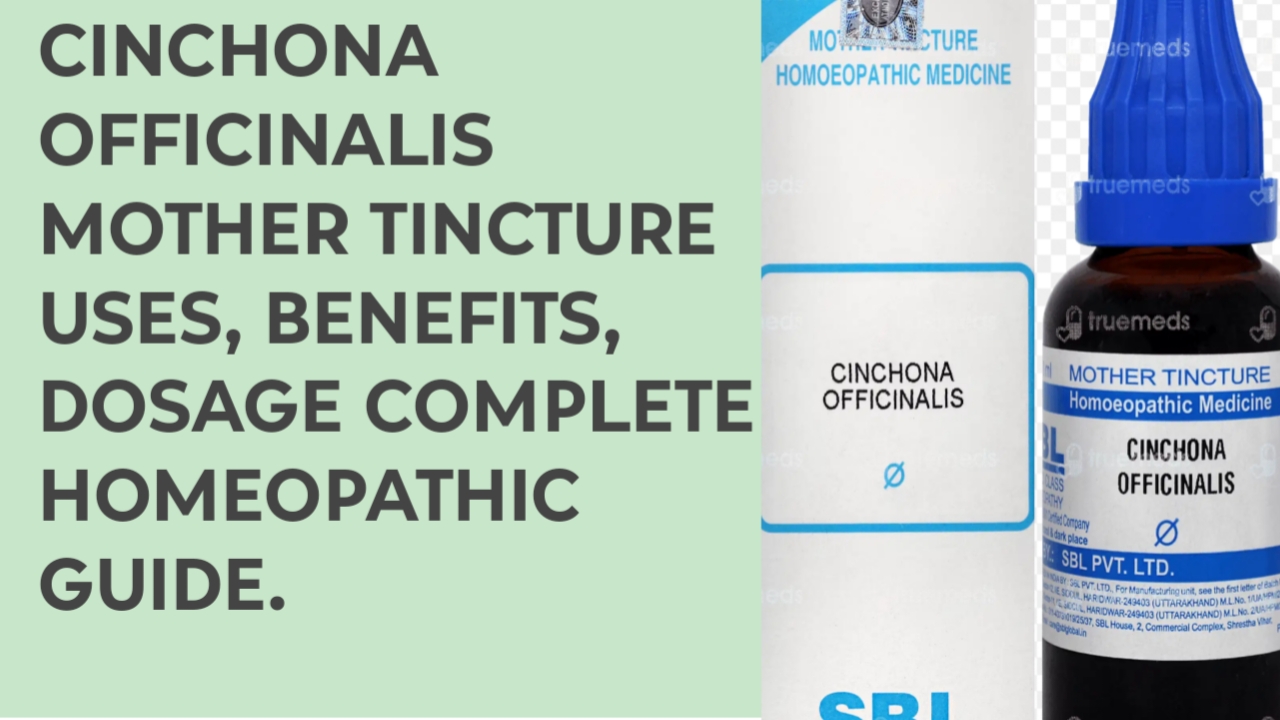
1. Introduction to Cinchona Officinalis Mother Tincture
Cinchona Officinalis Mother Tincture is a well-known homeopathic remedy used for treating weakness, digestive disorders, fever recovery, and blood loss–related conditions. This medicine is prepared from the bark of the Cinchona tree and has been used in traditional medicine for centuries.
In homeopathy, Cinchona Officinalis is also known as China Officinalis. It is particularly effective for people suffering from extreme fatigue, dehydration, anemia, and digestive weakness after illness.
Historically, Cinchona bark gained global recognition because it contains quinine, a compound used to treat malaria. Although homeopathic preparations are highly diluted, the remedy is still valued for its therapeutic effects on the body’s energy system and recovery process.
Cinchona Officinalis Mother Tincture works mainly by restoring vitality and improving the body’s ability to recover from fluid loss, chronic illness, and digestive disturbances.
2. What is Cinchona Officinalis?
Cinchona Officinalis is a medicinal plant native to South America, particularly the Andean forests of Peru, Ecuador, and Colombia. The bark of this tree contains several active compounds that have been used in herbal and homeopathic medicine.
The plant belongs to the Rubiaceae family, which includes many medicinal species.
Key Facts About Cinchona Officinalis
- Botanical Name: Cinchona officinalis
- Common Name: Peruvian Bark / China Bark
- Family: Rubiaceae
- Part Used: Bark of the tree
- Preparation: Alcoholic extract used as Mother Tincture (Q)
The bark is harvested, processed, and prepared using homeopathic pharmaceutical methods to produce the mother tincture used in homeopathy.
3. Historical Background of Cinchona
The medicinal use of Cinchona dates back to the 17th century when indigenous people of South America used the bark to treat fever and infections.
Spanish explorers later introduced the bark to Europe, where it became famous for its ability to treat malaria.
The active compound quinine extracted from the bark became one of the first effective treatments for malaria and played a crucial role in global medicine.
Homeopathy later adopted Cinchona Officinalis as an important remedy for:
- Weakness after illness
- Blood loss
- Digestive problems
- Fever recovery
Samuel Hahnemann, the founder of homeopathy, discovered the medicinal potential of Cinchona while experimenting with its effects on the human body. This discovery contributed to the development of the Law of Similars, the core principle of homeopathy.
4. Composition of Cinchona Officinalis Mother Tincture
Cinchona bark contains several natural alkaloids and plant compounds responsible for its medicinal properties.
Major Active Components
- Quinine
- Quinidine
- Cinchonine
- Cinchonidine
- Tannins
- Flavonoids
- Essential oils
These compounds contribute to the plant’s:
- Antimalarial properties
- Digestive benefits
- Anti-inflammatory effects
- Tonic action for weakness
However, in homeopathy, the mother tincture is used in controlled diluted doses to stimulate the body’s healing response rather than acting as a direct pharmaceutical drug.
5. Health Benefits of Cinchona Officinalis Mother Tincture
Cinchona Officinalis Mother Tincture is widely used in homeopathy for a variety of health conditions. It is especially beneficial for people suffering from exhaustion and weakness after illness.
Below are the major health benefits of this remedy.
6. Cinchona Officinalis for Weakness and Fatigue
One of the most important uses of Cinchona Officinalis is for treating extreme physical weakness.
People who benefit from this remedy often feel:
- Exhausted after minor effort
- Weak after fever or infection
- Mentally tired and irritable
- Sensitive to noise and touch
It is especially helpful for weakness caused by:
- Blood loss
- Diarrhea
- Excessive sweating
- Chronic illness
The remedy helps restore strength and energy by supporting the body’s recovery process.
7. Cinchona Officinalis for Recovery After Illness
After recovering from diseases like viral fever, malaria, or long infections, many people experience severe fatigue and weakness.
Cinchona Officinalis Mother Tincture helps the body regain:
- Physical energy
- Digestive strength
- Mental clarity
This makes it a valuable remedy during the convalescence stage, which is the recovery phase after illness.
8. Cinchona Officinalis for Digestive Problems
Cinchona Officinalis is also known for improving digestive health.
It is commonly used in homeopathy for:
- Bloating
- Gas formation
- Indigestion
- Weak digestion after illness
People needing this remedy often experience a feeling of fullness in the abdomen even after eating small quantities of food.
The abdomen may feel distended due to gas accumulation.
9. Cinchona Officinalis for Diarrhea and Fluid Loss
Another important indication for this remedy is weakness caused by excessive fluid loss.
It may help in cases of:
- Chronic diarrhea
- Dehydration
- Weakness after vomiting
- Loss of body fluids
The remedy helps restore balance in the body and supports recovery after fluid depletion.
10. Cinchona Officinalis for Anemia
Cinchona Officinalis is often recommended in homeopathy for people suffering from anemia caused by blood loss.
Common symptoms include:
- Pale skin
- Weakness
- Dizziness
- Shortness of breath
- Fatigue
The remedy may help improve vitality and support the body’s ability to regain strength.
11. Cinchona Officinalis for Fever Recovery
This homeopathic medicine is frequently used after fever when the patient feels extremely weak.
It may help relieve:
- Post-fever fatigue
- Headache
- Body weakness
- Loss of appetite
It supports faster recovery and helps the body regain normal functioning.
12. Cinchona Officinalis for Gas and Bloating
Gas accumulation in the stomach and intestines can cause discomfort and pain.
Cinchona Officinalis may help relieve symptoms such as:
- Abdominal bloating
- Gas pain
- Feeling of fullness
- Distension of abdomen
People who need this remedy often feel better after passing gas.
13. Cinchona Officinalis for Headache
Headaches caused by weakness, dehydration, or digestive disturbances may respond well to Cinchona Officinalis.
Symptoms may include:
- Throbbing headache
- Head pain after blood loss
- Headache due to fatigue
The remedy works by improving circulation and restoring energy levels.
14. Cinchona Officinalis for Loss of Appetite
Another common use of this remedy is loss of appetite, especially after illness.
Symptoms may include:
- Reduced hunger
- Weak digestion
- Feeling full quickly
Cinchona helps stimulate the digestive system and restore appetite.
15. Cinchona Officinalis for Night Sweats
People suffering from weakness often experience excessive sweating, especially at night.
Cinchona Officinalis may help manage:
- Night sweats
- Weakness after sweating
- Dehydration
The remedy supports the body’s ability to regulate fluids and energy.
16. Mental and Emotional Symptoms
Homeopathy considers mental and emotional symptoms when selecting remedies.
People who need Cinchona Officinalis often experience:
- Irritability
- Sensitivity to noise
- Restlessness
- Mental fatigue
They may feel overwhelmed by minor stress or noise.
17. Who Should Use Cinchona Officinalis Mother Tincture?
This remedy may be helpful for people experiencing:
- Weakness after illness
- Fatigue after blood loss
- Digestive weakness
- Gas and bloating
- Recovery from fever
- Loss of appetite
- Dehydration
However, it should always be used under professional guidance for best results.
18. Dosage of Cinchona Officinalis Mother Tincture
The dosage of Cinchona Officinalis Mother Tincture can vary depending on the individual’s health condition, age, and severity of symptoms. In homeopathy, the remedy is usually taken in small doses diluted in water.
Standard Adult Dosage
- 10 to 20 drops of Cinchona Officinalis Mother Tincture
- Dilute in half a cup of clean water
- Take 2 to 3 times daily
This dosage is generally used for conditions such as:
- Weakness after illness
- Digestive problems
- Gas and bloating
- Loss of appetite
However, the dosage should always be adjusted according to the advice of a qualified homeopathic practitioner.
Dosage for Children
For children, the dosage is usually lower.
Typical dosage may include:
- 5 to 10 drops diluted in water
- Taken 1 to 2 times daily
Children should only take this medicine under proper medical supervision.
19. How to Take Cinchona Officinalis Mother Tincture
Taking the remedy correctly can improve its effectiveness.
Steps to Take the Medicine
- Take a clean glass of water.
- Add the recommended number of drops.
- Mix gently.
- Drink the mixture slowly.
Important Tips
- Take the medicine before meals or at least 30 minutes after eating.
- Avoid touching the dropper with your mouth.
- Use clean water for dilution.
Following these simple steps helps maintain the potency and purity of the remedy.
20. Best Time to Take Cinchona Officinalis
The medicine can be taken at different times depending on the condition.
Common recommendations include:
- Morning before breakfast
- Afternoon between meals
- Evening before dinner
For digestive problems, it may be helpful to take the medicine before meals.
For weakness and fatigue, the medicine can be taken twice daily.
21. Duration of Treatment
The duration of treatment depends on the type of health problem.
Short-Term Conditions
For temporary issues such as:
- Weakness after fever
- Mild digestive problems
- Temporary loss of appetite
The medicine may be taken for 1 to 2 weeks.
Long-Term Conditions
For chronic conditions such as:
- Digestive weakness
- Chronic fatigue
- Recurring bloating
Treatment may continue for several weeks or months, depending on professional advice.
22. Potency vs Mother Tincture
Homeopathic medicines are available in different potencies, but the Mother Tincture (Q) is the original liquid extract of the plant.
Differences
Mother Tincture (Q)
- More concentrated herbal extract
- Often used for physical conditions
- Taken in drops diluted in water
Higher Potencies (6C, 30C, 200C)
- Highly diluted
- Usually used for constitutional or deeper symptoms
For many digestive or weakness-related conditions, practitioners often recommend the mother tincture form.
23. Possible Side Effects of Cinchona Officinalis Mother Tincture
Homeopathic medicines are generally considered safe when used in proper doses.
However, excessive or improper use may sometimes cause mild side effects.
Possible side effects include:
- Mild stomach irritation
- Allergic reactions in sensitive individuals
- Temporary worsening of symptoms (homeopathic aggravation)
If any unusual symptoms occur, the medicine should be discontinued and medical advice should be sought.
24. Precautions While Using Cinchona Officinalis
Although this remedy is natural, certain precautions should be followed.
Important Precautions
- Avoid self-medication for serious illnesses.
- Do not exceed the recommended dosage.
- Always consult a qualified homeopath if symptoms persist.
- Pregnant and breastfeeding women should seek medical advice before using the medicine.
Proper usage ensures maximum benefit and safety.
25. Who Should Avoid This Remedy
Certain individuals should be cautious when using Cinchona Officinalis Mother Tincture.
These include:
- People allergic to Cinchona bark
- Individuals with severe medical conditions
- Pregnant women without medical guidance
- Children without supervision
If you fall into these categories, consult a healthcare professional before using the remedy.
26. Drug Interactions
Homeopathic medicines usually have very few interactions with conventional medications.
However, some general precautions should be followed.
Possible Interactions
- Strong herbal medicines
- Alcohol-based remedies
- Certain prescription drugs
It is always advisable to inform your doctor about all medications you are taking.
27. Storage Instructions
Proper storage helps maintain the effectiveness of the remedy.
Storage Tips
- Keep the bottle tightly closed.
- Store in a cool and dry place.
- Protect from direct sunlight.
- Keep away from strong odors such as perfumes or chemicals.
Homeopathic medicines are sensitive to environmental conditions, so proper storage is important.
28. Lifestyle Tips to Support the Remedy
Using Cinchona Officinalis along with healthy lifestyle habits can improve results.
Helpful Lifestyle Tips
- Maintain a balanced diet.
- Drink enough water.
- Avoid excessive caffeine and alcohol.
- Get proper rest and sleep.
- Practice stress management techniques.
These habits support overall health and recovery.
29. Diet Recommendations
For people using this remedy for digestive issues or weakness, diet plays an important role.
Recommended Foods
- Fresh fruits and vegetables
- Whole grains
- Lean protein sources
- Herbal teas
Foods to Limit
- Heavy fried foods
- Excess sugar
- Carbonated drinks
- Highly processed foods
A nutritious diet helps the body regain strength more quickly.
30. Key Symptoms That Indicate the Need for Cinchona Officinalis
In homeopathy, remedies are selected based on characteristic symptoms.
Common indications include:
- Weakness after blood loss
- Fatigue after diarrhea or vomiting
- Gas and bloating in the abdomen
- Sensitivity to touch and noise
- Loss of appetite after illness
When these symptoms are present, Cinchona Officinalis may be considered as a remedy.
31. Advantages of Cinchona Officinalis Mother Tincture
This remedy offers several potential advantages when used appropriately.
Major Advantages
- Natural and plant-based preparation
- Supports recovery after illness
- Helps improve digestive health
- May restore energy levels
- Generally well tolerated in recommended doses
Because of these benefits, it is widely used in homeopathic practice.
32. Limitations of the Remedy
While Cinchona Officinalis can be helpful, it is not a cure-all medicine.
Limitations include:
- It may not work for every individual.
- Severe medical conditions require professional treatment.
- Proper diagnosis is essential.
Homeopathy works best when remedies are selected according to individual symptoms.
33. Safety Profile
When taken in recommended doses, Cinchona Officinalis Mother Tincture is generally considered safe for most people.
Key safety points include:
- Use only recommended dosage
- Avoid long-term self-medication
- Consult a professional for chronic conditions
Following these guidelines ensures safe usage.
