1. Introduction to Cactus Grandiflorus Mother Tincture
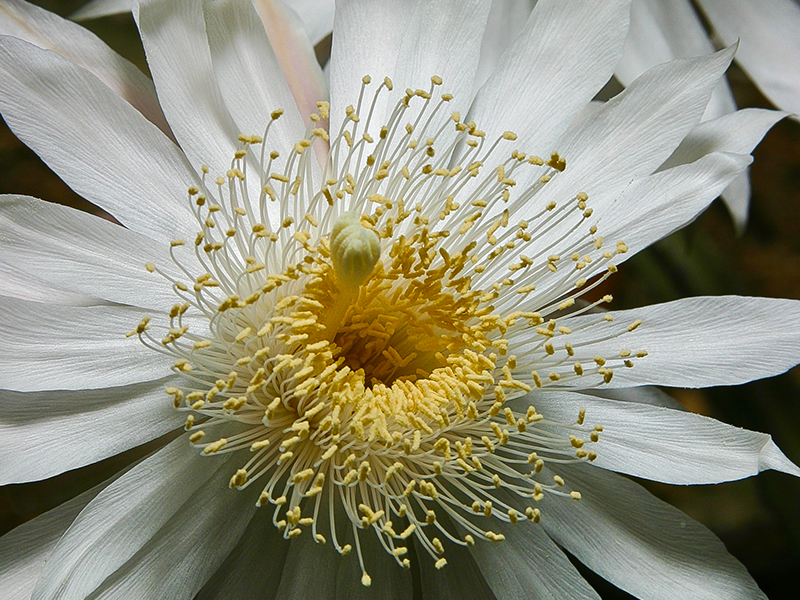
Cactus Grandiflorus Mother Tincture is a well-known homeopathic medicine derived from a large, night-blooming cactus plant often referred to as the “Queen of the Night.” This plant has been traditionally valued for its strong action on the heart, blood vessels, and nervous system.
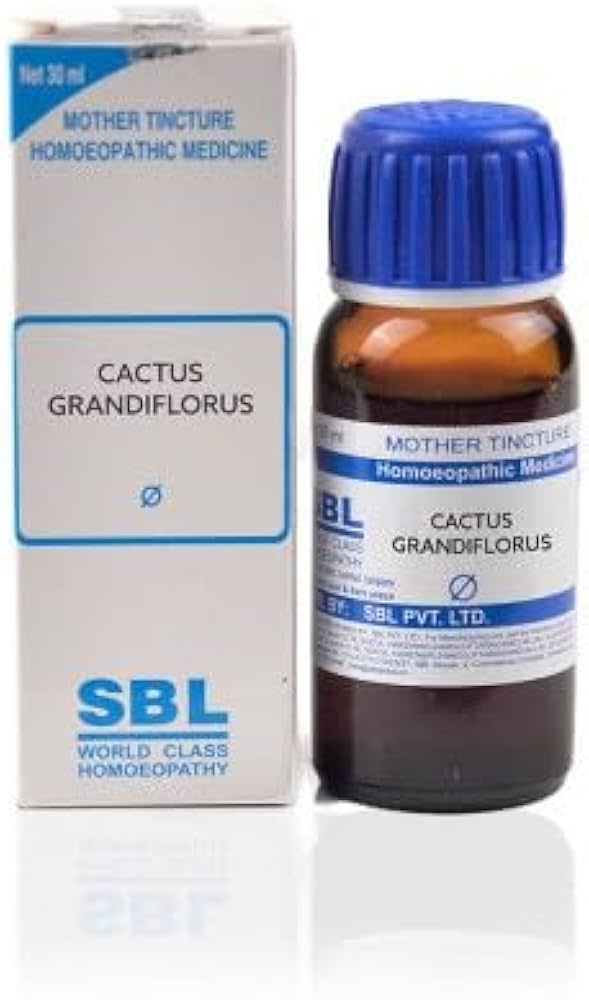
In homeopathy, the mother tincture form is considered the most concentrated liquid extract prepared directly from the fresh plant material using alcohol. Because of this, it is commonly used under guidance for both acute and chronic conditions, especially those related to cardiac weakness and circulation disorders.
Unlike conventional chemical medicines, homeopathic preparations aim to stimulate the body’s own healing response. Cactus Grandiflorus is particularly famous for its sensation-based symptoms, such as a feeling of tightness around the chest, as if an iron band were constricting the heart.

2. Botanical Overview of Cactus Grandiflorus
2.1 Plant Classification and Origin
Cactus Grandiflorus belongs to the cactus family and is native to tropical and subtropical regions, including parts of Central America and the Caribbean. The plant is known for its large, fragrant white flowers that bloom only at night and wither by morning.
2.2 Physical Characteristics
The plant has long, flat, green stems that grow in a climbing or sprawling manner. Its flowers are among the largest in the cactus family and are highly aromatic. These flowers, along with fresh stems, are typically used in the preparation of the mother tincture.
2.3 Traditional Use in Medicine
Historically, this cactus was used in folk medicine to support heart health and to relieve symptoms such as palpitations, chest pain, and weakness after prolonged illness. Homeopathy later adopted this plant due to its strong symptom similarity with heart and circulatory disorders.
3. What Is a Mother Tincture in Homeopathy?
A mother tincture is the base preparation from which other homeopathic potencies are made. It is prepared by macerating fresh plant material in alcohol for a specific period, allowing the medicinal properties to be extracted efficiently.
In the case of Cactus Grandiflorus Mother Tincture, the preparation retains many active plant compounds, making it more potent than highly diluted remedies. This is why dosage and professional guidance are important.
4. Key Therapeutic Properties of Cactus Grandiflorus
4.1 Action on the Heart
Cactus Grandiflorus is primarily known as a heart remedy. It is often indicated when there is weakness of the heart muscle, irregular heartbeat, or a sensation of constriction in the chest.
4.2 Circulatory System Support
This remedy is believed to help regulate blood circulation, especially in cases where poor circulation leads to cold extremities, fatigue, or dizziness.
4.3 Nervous System Effects
Patients who need Cactus Grandiflorus often experience anxiety, restlessness, or fear related to heart symptoms. The medicine may help calm nervous tension associated with cardiovascular issues.
5. Common Uses of Cactus Grandiflorus Mother Tincture
5.1 Heart Palpitations
One of the most common uses of this tincture is for heart palpitations, especially when they are accompanied by anxiety, shortness of breath, or chest tightness.
5.2 Chest Pain and Constriction
People who describe a sensation of tightness or pressure around the heart region may benefit from this remedy under proper supervision.
5.3 High Blood Pressure (Supportive Use)
In some homeopathic practices, Cactus Grandiflorus is used as a supportive remedy in cases of high blood pressure linked to stress or heart weakness. It is not a replacement for conventional treatment.
5.4 Weak Heart After Illness
After prolonged illness or infection, some individuals experience cardiac weakness. This tincture has traditionally been used to support recovery in such cases.
- Cinchona Officinalis Mother Tincture Uses, Benefits, Dosage Complete Homeopathic Guide.
- Cinnamonum Mother Tincture Uses, Benefits, Dosage Complete Homeopathic Guide.
- Coca Mother Tincture Uses, Benefits, Dosage Complete Homeopathic Guide.
- Chimaphila Umbellata Mother Tincture Uses, Benefits, Dosage Complete Homeopathic Guide.
- Chionanthus Mother Tincture Uses, Benefits, Dosage Complete Homeopathic Guide.
6. Mental and Emotional Symptoms Addressed
6.1 Anxiety with Heart Symptoms
Cactus Grandiflorus is often indicated when anxiety is directly linked to heart discomfort, especially fear of death or fear that the heart may stop.
6.2 Restlessness and Fear
Patients may feel restless, unable to relax, and constantly aware of their heartbeat. This heightened awareness is a key guiding symptom in homeopathy.
7. Physical Symptoms and Indications
7.1 Sensation of Iron Band Around Chest
This is one of the hallmark symptoms of Cactus Grandiflorus. Patients may describe it vividly, making it an important diagnostic clue for homeopathic practitioners.
7.2 Shortness of Breath
Breathing difficulties, especially when lying down, may indicate the need for this remedy.
7.3 Coldness of Limbs
Poor circulation leading to cold hands and feet is another commonly reported symptom.
8. Scientific and Traditional Perspective
From a traditional standpoint, Cactus Grandiflorus has long been valued for its cardiovascular effects. While large-scale modern clinical trials are limited, smaller observational studies and long-standing clinical use in homeopathy support its role as a heart-supportive remedy.
It is important to understand that homeopathy follows a different therapeutic philosophy than conventional medicine, focusing on symptom similarity rather than chemical action alone.
9. Safety, Regulation, and Quality Considerations
Cactus Grandiflorus Mother Tincture should always be sourced from reputed manufacturers to ensure purity and correct preparation standards. Poor-quality tinctures may contain impurities or incorrect concentrations.
Self-medication for serious heart conditions is strongly discouraged. Always consult a qualified healthcare provider or homeopathic practitioner before use.
10. Dosage Guidelines for Cactus Grandiflorus Mother Tincture
Dosage is a very important aspect when using any mother tincture, especially one that acts strongly on the heart and circulation.
10.1 General Adult Dosage
The commonly recommended dosage for adults is:
10 to 15 drops of Cactus Grandiflorus Mother Tincture diluted in half a cup of water, taken two to three times daily.
The dosage may vary depending on the severity of symptoms, individual sensitivity, and professional advice.
10.2 Dosage in Chronic Conditions
For long-standing heart weakness or chronic circulatory issues, the tincture is often taken for a longer duration at a lower frequency. Continuous monitoring by a qualified practitioner is advised.
10.3 Acute Symptom Management
In cases of sudden palpitations or chest discomfort, some practitioners may advise more frequent dosing for a short period, strictly under supervision.
11. Method of Administration
11.1 How to Take the Tincture
The tincture should always be diluted in water unless otherwise directed. It is generally recommended to take it on an empty stomach or at least 30 minutes before or after meals.
11.2 Duration of Use
Short-term use may last a few days to weeks, while chronic cases may require longer treatment. Regular reassessment is important to avoid unnecessary prolonged use.
12. Possible Side Effects and Reactions
12.1 Commonly Observed Reactions
When taken in correct doses, side effects are uncommon. Some sensitive individuals may experience mild symptoms such as dizziness or temporary aggravation of existing symptoms.
12.2 Overuse or Incorrect Use
Excessive use of the mother tincture may cause symptoms related to overstimulation of the heart or nervous system. This highlights the importance of correct dosage and guidance.
12.3 When to Stop Use
If new or worsening symptoms occur, such as severe chest pain or persistent shortness of breath, the remedy should be discontinued immediately and medical help should be sought.
13. Precautions and Warnings
13.1 Use in Serious Heart Conditions
Cactus Grandiflorus Mother Tincture should never be used as a substitute for emergency or prescribed cardiac medications. It may be used only as a complementary approach with professional approval.
13.2 Alcohol Content Awareness
As a mother tincture, it contains alcohol. Individuals with alcohol sensitivity, liver conditions, or those advised to avoid alcohol should use it cautiously.
13.3 Pregnancy and Breastfeeding
There is limited documented evidence regarding its safety during pregnancy and breastfeeding. Therefore, its use is generally avoided unless specifically prescribed.
14. Use in Different Age Groups
14.1 Use in Elderly Patients
Elderly individuals with heart weakness may respond well to this remedy when used carefully. Lower dosages are usually preferred.
14.2 Use in Children
Mother tinctures are rarely recommended for children without expert supervision due to their concentrated nature.
15. Comparison with Other Homeopathic Heart Remedies
15.1 Cactus Grandiflorus vs Crataegus
Crataegus is often used as a general heart tonic, while Cactus Grandiflorus is more specific for constrictive chest sensations and intense palpitations.
15.2 Cactus Grandiflorus vs Digitalis
Digitalis is commonly indicated for weak, slow, or irregular pulse, whereas Cactus Grandiflorus is better suited for tightness and pressure sensations around the heart.
15.3 Remedy Selection in Homeopathy
The choice of remedy depends on symptom similarity rather than disease name alone. This is a key principle of homeopathic treatment.
16. Lifestyle and Dietary Support with This Remedy
16.1 Importance of Lifestyle Balance
A calm lifestyle, adequate sleep, and stress management greatly enhance the effectiveness of heart-supportive remedies.
16.2 Dietary Considerations
A diet low in excessive salt, processed foods, and stimulants like caffeine may support better outcomes when using Cactus Grandiflorus.
16.3 Physical Activity
Gentle physical activity, such as walking or breathing exercises, is often recommended unless restricted by a medical professional.
17. Scientific Perspective and Research Insights
While mainstream scientific research on homeopathic remedies is limited, historical records and long-term clinical use suggest that Cactus Grandiflorus has consistent symptom patterns.
Modern integrative medicine increasingly emphasizes patient-reported outcomes, which aligns with the traditional homeopathic approach of individualized care.
18. Storage and Shelf Life
18.1 Proper Storage Conditions
The tincture should be stored in a cool, dry place away from direct sunlight and strong odors.
18.2 Shelf Life
When stored correctly, mother tinctures typically retain potency for several years. Always check the manufacturer’s expiry date.
19. Frequently Asked Questions
19.1 Is Cactus Grandiflorus Mother Tincture Safe for Daily Use?
It may be safe when used correctly and for an appropriate duration under guidance.
19.2 Can It Be Taken Along with Conventional Medicines?
It may be taken alongside conventional treatment only after consulting a healthcare professional to avoid interactions.
19.3 How Long Does It Take to Show Results?
Some individuals notice improvement within days, while others may require weeks, depending on the condition and overall health.
