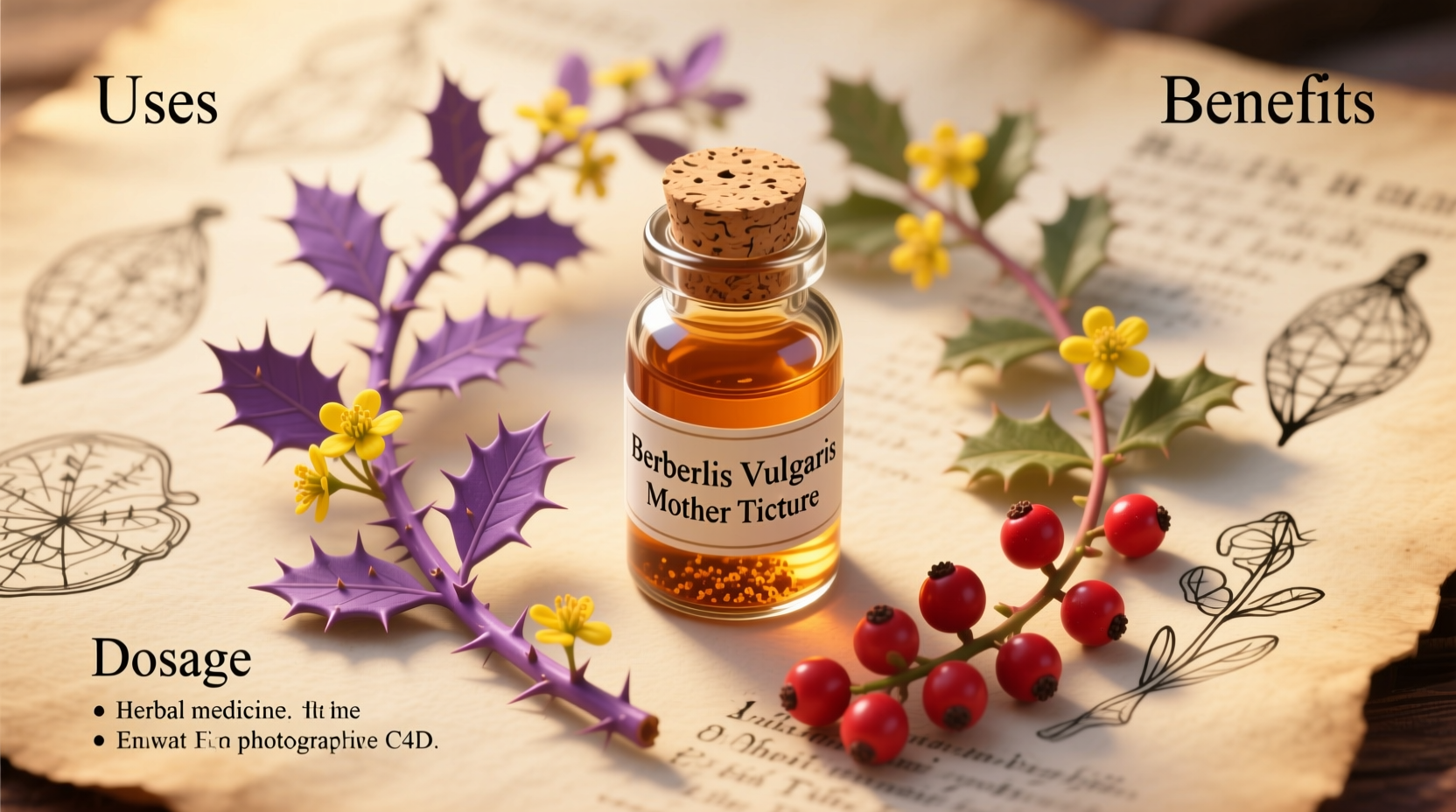
1. Introduction to Berberis Vulgaris Mother Tincture
Berberis vulgaris mother tincture is a well-known homeopathic preparation derived from the roots and root bark of the Berberis vulgaris plant, commonly known as barberry. This medicinal plant has been used for centuries in traditional European, Persian, and Ayurvedic medicine systems for treating disorders related to the kidneys, liver, urinary tract, digestive system, and joints.
In homeopathy, Berberis vulgaris Q (mother tincture) is especially valued for its deep action on the renal system and is often prescribed in cases of kidney stones, urinary tract infections, radiating pains, and metabolic disturbances. Unlike symptomatic relief medicines, Berberis vulgaris works by supporting the body’s natural detoxification pathways.
The growing popularity of natural and holistic remedies has brought Berberis vulgaris mother tincture into focus for people seeking gentle yet effective solutions for chronic health conditions.
- Cinchona Officinalis Mother Tincture Uses, Benefits, Dosage Complete Homeopathic Guide.
- Cinnamonum Mother Tincture Uses, Benefits, Dosage Complete Homeopathic Guide.
- Coca Mother Tincture Uses, Benefits, Dosage Complete Homeopathic Guide.
- Chimaphila Umbellata Mother Tincture Uses, Benefits, Dosage Complete Homeopathic Guide.
- Chionanthus Mother Tincture Uses, Benefits, Dosage Complete Homeopathic Guide.
2. Botanical and Scientific Background of Berberis Vulgaris
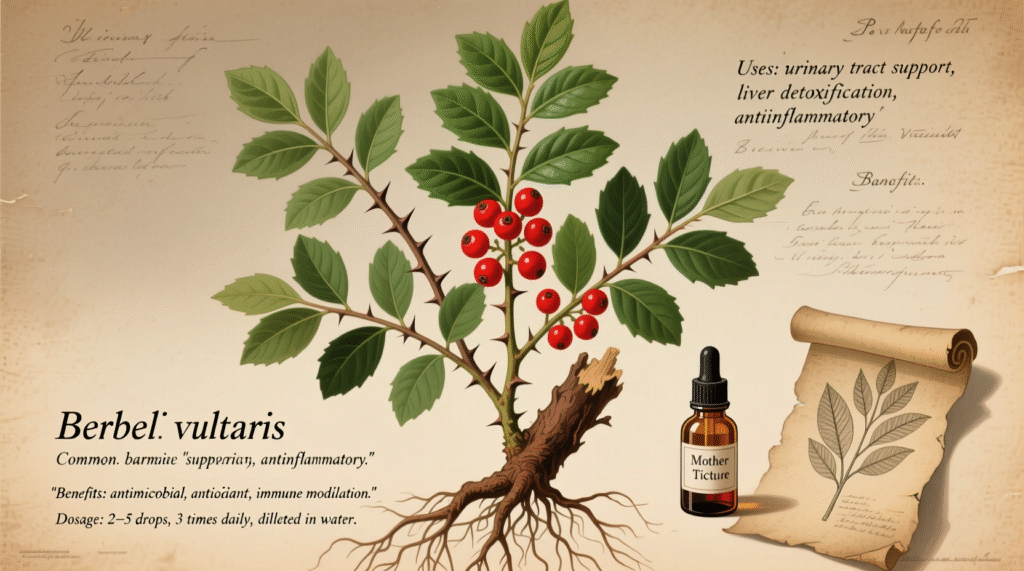
Berberis vulgaris is a deciduous shrub belonging to the Berberidaceae family. It is native to Europe, North Africa, and parts of Western Asia, and it has also been naturalized in many other regions.
Key botanical facts:
• Scientific name: Berberis vulgaris
• Common name: Barberry
• Family: Berberidaceae
• Parts used: Root and root bark
• Active compounds: Berberine, oxyacanthine, berbamine, palmatine
Berberine, the most studied alkaloid in Berberis vulgaris, has been shown in pharmacological studies to possess antimicrobial, anti-inflammatory, hepatoprotective, and antioxidant properties. These compounds contribute significantly to the therapeutic value of the mother tincture.
3. What Is a Mother Tincture in Homeopathy?
A mother tincture, denoted by the symbol “Q”, is the original liquid extract prepared from a medicinal substance using alcohol as a solvent. In the case of Berberis vulgaris mother tincture, the fresh or dried root bark is macerated in alcohol to extract its active principles.
Key features of mother tinctures:
• They are the base preparation for all homeopathic potencies
• They contain measurable amounts of phytochemicals
• They act gently but deeply on the body
• They are often used in functional and organ-specific disorders
Unlike high dilutions, mother tinctures retain a more direct physiological action, which makes Berberis vulgaris Q particularly useful in chronic kidney and liver conditions.
4. Traditional and Historical Uses of Berberis Vulgaris
Historically, Berberis vulgaris has been used in various traditional medicine systems.
In European folk medicine, barberry was commonly prescribed for liver congestion, jaundice, gallbladder disorders, and digestive sluggishness. Persian medicine described it as a blood purifier and liver tonic.
In Ayurveda and Unani systems, plants rich in berberine, including barberry species, were used to manage infections, digestive disorders, and inflammatory conditions.
Homeopathy later adopted Berberis vulgaris based on its affinity for:
• Kidneys and urinary tract
• Liver and gallbladder
• Musculoskeletal system
• Digestive organs
5. Key Therapeutic Actions of Berberis Vulgaris Mother Tincture
Berberis vulgaris mother tincture is considered a multi-system remedy with the following primary actions:
• Renal detoxifier
• Diuretic and urinary cleanser
• Hepatic stimulant
• Anti-inflammatory agent
• Metabolic regulator
Its hallmark feature is its action on radiating pains, especially those originating from the kidneys and spreading to the abdomen, thighs, or back.
6. Berberis Vulgaris Mother Tincture for Kidney Stones
One of the most well-known uses of Berberis vulgaris mother tincture is in kidney stone management.
It is commonly indicated in cases where:
• Pain starts in the kidney region and radiates downward
• Urine contains sediment, mucus, or blood
• There is burning or cutting pain during urination
• Frequent urge to urinate with scanty output
Clinical observations in homeopathic practice suggest that Berberis vulgaris helps reduce irritation of the renal tubules and supports the natural expulsion of small calculi when used consistently under guidance.
7. Role in Urinary Tract Infections and Bladder Disorders
Berberis vulgaris Q is often recommended for chronic or recurrent urinary tract infections, especially when symptoms are accompanied by:
• Sharp, stitching pains in the bladder
• Sensation of incomplete urination
• Cloudy or offensive urine
• Pain extending to hips or thighs
Its antimicrobial alkaloids, particularly berberine, have been studied for their inhibitory effects on common urinary pathogens, supporting its traditional use.
8. Benefits for Liver and Gallbladder Health
The liver is another primary target organ of Berberis vulgaris mother tincture.
It is traditionally used in conditions such as:
• Liver congestion
• Fatty liver tendencies
• Gallstones
• Jaundice with sluggish digestion
By stimulating bile secretion and improving hepatic metabolism, Berberis vulgaris supports better digestion and toxin elimination.
9. Digestive System Benefits
Berberis vulgaris Q plays a supportive role in digestive health by addressing issues like:
• Poor appetite
• Bitter taste in mouth
• Indigestion after fatty foods
• Abdominal bloating and discomfort
Its bitter alkaloids stimulate digestive secretions, which helps improve nutrient absorption and bowel regularity.
10. Action on Joint Pain and Rheumatic Complaints
An important characteristic of Berberis vulgaris is pain that changes location or radiates.
It is often used in:
• Rheumatic pains with shifting nature
• Joint stiffness associated with kidney issues
• Lower back pain linked to urinary disorders
The connection between kidney health and musculoskeletal pain is well recognized in holistic medicine, and Berberis vulgaris addresses this root relationship.
11. Berberis Vulgaris Mother Tincture Dosage Guidelines
The dosage of Berberis vulgaris mother tincture (Q) depends on age, health condition, severity of symptoms, and professional guidance. Since mother tinctures are concentrated herbal extracts, correct dosing is important.
General dosage guidelines commonly followed in homeopathic practice:
• Adults: 10 to 20 drops
• Frequency: 2 to 3 times daily
• Dilution: Mixed in half cup of normal drinking water
For chronic conditions such as kidney stones or long-standing urinary issues, the medicine is often taken for several weeks under supervision.
Children dosage (only under professional advice):
• 5 to 10 drops once or twice daily
• Always diluted in sufficient water
It is advisable to avoid self-medication for prolonged periods without consulting a qualified practitioner.
12. Best Time and Method to Take Berberis Vulgaris Q
To get maximum benefit from Berberis vulgaris mother tincture, certain basic homeopathic principles are followed.
Recommended method:
• Take the medicine on an empty stomach or at least 30 minutes away from meals
• Avoid strong flavors like coffee, mint, tobacco, or camphor during treatment
• Maintain consistency in timing
Many practitioners prefer morning and evening doses to support the body’s natural detox cycles, especially for kidney and liver-related complaints.
13. Duration of Treatment and Expected Results
The duration of treatment varies depending on the condition.
Acute urinary discomfort:
• Improvement may be noticed within a few days
Kidney stones or chronic UTIs:
• 4 to 8 weeks of regular use may be required
Liver congestion and metabolic issues:
• Results often appear gradually over 2 to 3 months
Homeopathy works by supporting the body’s healing mechanisms, so results are typically progressive rather than instant.
14. Berberis Vulgaris Mother Tincture for Diabetes and Metabolism
Berberis vulgaris contains berberine, which has been studied in modern research for its role in glucose metabolism.
Traditional and complementary observations suggest:
• Helps improve insulin sensitivity
• Supports liver function involved in glucose regulation
• May assist in managing mild blood sugar imbalance
However, Berberis vulgaris mother tincture should not replace prescribed diabetic medication. It can only be considered a supportive remedy under professional supervision.
15. Use in Skin Disorders and Blood Purification
In traditional systems, Berberis vulgaris was often described as a “blood purifier.”
It is sometimes used as supportive therapy in:
• Acne linked to digestive or liver imbalance
• Eczema with internal toxicity tendencies
• Dull or unhealthy skin appearance
By improving liver detoxification and digestion, it indirectly contributes to better skin health.
16. Side Effects of Berberis Vulgaris Mother Tincture
When used in recommended doses, Berberis vulgaris mother tincture is generally well tolerated.
Possible mild side effects (rare):
• Temporary stomach discomfort
• Mild nausea in sensitive individuals
• Increased urination (due to diuretic action)
Overuse or incorrect dosing may lead to irritation of the gastrointestinal tract. This is why moderation and guidance are essential.
17. Safety Precautions and Warnings
Berberis vulgaris mother tincture should be used cautiously in certain situations.
Avoid or consult a doctor if:
• You are pregnant or breastfeeding
• You have severe kidney disease
• You are taking multiple long-term medications
Because berberine can interact with certain drugs, professional advice is strongly recommended for people with chronic illnesses.
18. Berberis Vulgaris vs Berberis Aquifolium: Key Differences
Although both belong to the Berberis family, they are used differently in homeopathy.
Berberis vulgaris:
• Strong action on kidneys and urinary tract
• Radiating pains are a key symptom
• More commonly used for stones and UTIs
Berberis aquifolium:
• Primarily acts on skin and liver
• Used for acne, pigmentation, and eczema
• Less focused on urinary symptoms
Understanding this difference helps in selecting the correct remedy.
19. Can Berberis Vulgaris Mother Tincture Be Taken Long-Term?
Long-term use is possible but should always be supervised.
Guidelines for long-term use:
• Regular follow-up with a practitioner
• Periodic breaks if advised
• Monitoring symptoms and response
Homeopathic philosophy emphasizes minimum dose for maximum benefit, even with mother tinctures.
20. Common Myths and Misconceptions
There are several misconceptions about Berberis vulgaris mother tincture.
Myth: It works instantly like painkillers
Reality: It supports gradual healing
Myth: More drops give faster results
Reality: Excess dosing may cause discomfort
Myth: It dissolves all kidney stones
Reality: It supports the body; results depend on stone type and size
