1. Introduction to Berberis Vulgaris Mother Tincture
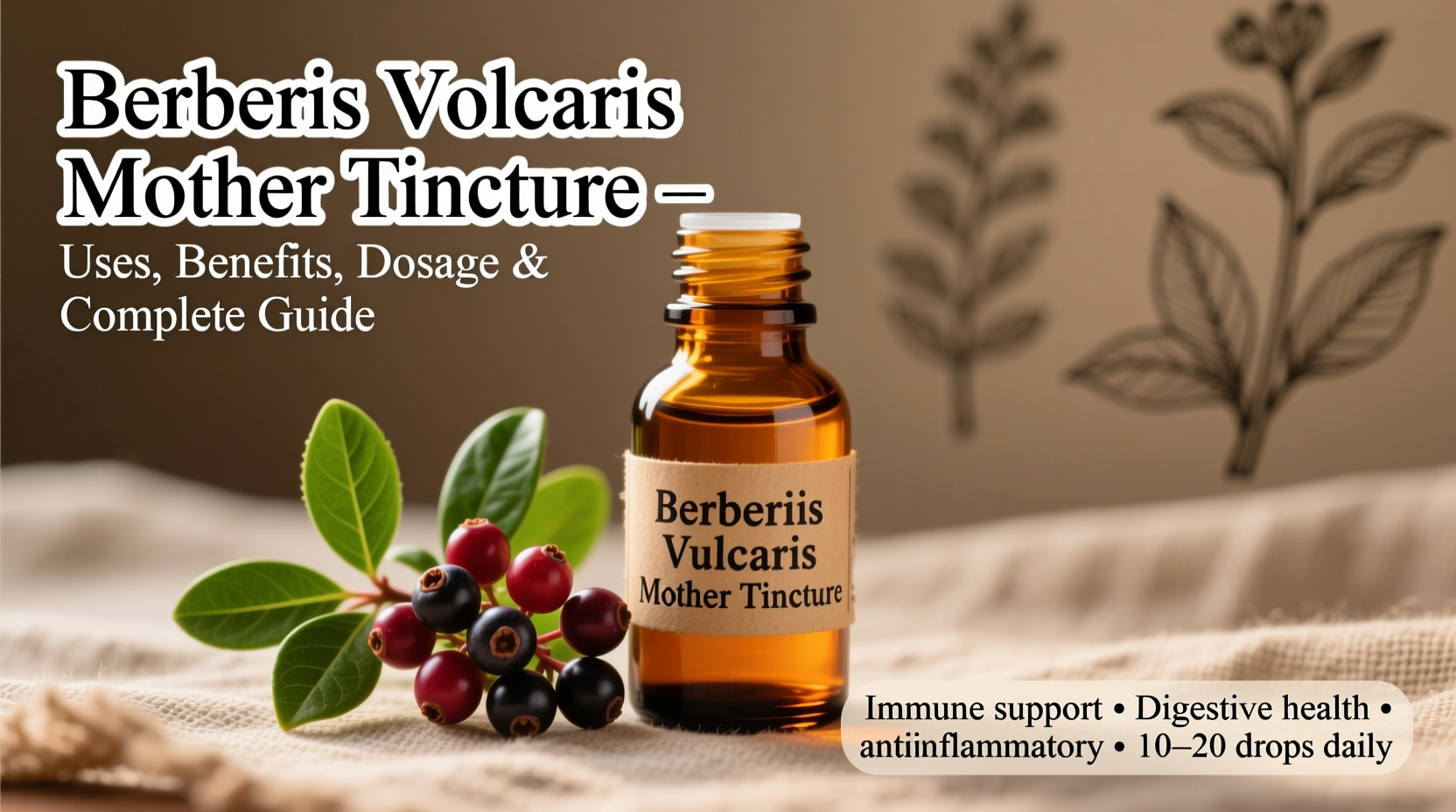
Berberis Vulgaris Mother Tincture, commonly referred to as Berberis Vulgaris Q, is a widely used homeopathic medicine prepared from the fresh root bark of the Berberis vulgaris plant, also known as Barberry. This remedy has a long history of use in traditional herbal medicine and homeopathy, particularly for disorders related to the kidneys, urinary tract, liver, and gallbladder.
In classical homeopathy, Berberis Vulgaris is best known for its strong action on the renal system, making it one of the most prescribed remedies for kidney stones, urinary pain, burning urination, and radiating pains. Unlike many other remedies, its pain pattern is quite distinctive—sharp, stitching pains that radiate in different directions.
This article is written in a clear, human, and educational tone, following AdSense-friendly medical content guidelines, and is meant for informational purposes only.
2. Botanical Profile of Berberis Vulgaris
2.1 Scientific Classification
- Botanical Name: Berberis vulgaris
- Family: Berberidaceae
- Common Name: Barberry
- Part Used: Root bark
2.2 Natural Habitat
Berberis vulgaris is native to Europe, North Africa, and Western Asia, but it is now cultivated in many parts of the world including India, especially in hilly and temperate regions.
2.3 Physical Description
- Thorny shrub with yellow wood
- Small oval leaves with spiny edges
- Yellow flowers in clusters
- Bright red, sour berries
The root bark, rich in alkaloids like berberine, is the primary source used in preparing the mother tincture.
- Cinchona Officinalis Mother Tincture Uses, Benefits, Dosage Complete Homeopathic Guide.
- Cinnamonum Mother Tincture Uses, Benefits, Dosage Complete Homeopathic Guide.
- Coca Mother Tincture Uses, Benefits, Dosage Complete Homeopathic Guide.
- Chimaphila Umbellata Mother Tincture Uses, Benefits, Dosage Complete Homeopathic Guide.
- Chionanthus Mother Tincture Uses, Benefits, Dosage Complete Homeopathic Guide.
3. Preparation of Berberis Vulgaris Mother Tincture
3.1 Source Material
The mother tincture is prepared from the fresh root bark of the Berberis vulgaris plant.
3.2 Method of Preparation
- The root bark is cleaned and finely chopped
- It is macerated in a mixture of alcohol and water
- The solution is kept for several days under controlled conditions
- After filtration, the liquid obtained is labeled as Berberis Vulgaris Q
This process follows homeopathic pharmacopeia standards, ensuring potency, purity, and safety.
4. Chemical Constituents and Active Compounds
Berberis Vulgaris contains several biologically active compounds, the most important being:
4.1 Berberine
- A natural alkaloid
- Known for antimicrobial, anti-inflammatory, and hepatoprotective properties
- Extensively studied in modern pharmacology
4.2 Other Alkaloids
- Berbamine
- Oxyberberine
- Palmatine
These compounds explain why Berberis Vulgaris shows strong action on liver metabolism, bile secretion, kidney filtration, and urinary health.
5. Homeopathic Philosophy Behind Berberis Vulgaris
5.1 Remedy Action
Berberis Vulgaris acts primarily on:
- Kidneys
- Bladder
- Liver
- Gallbladder
- Lower back and lumbar region
5.2 Keynote Characteristic
The most important keynote symptom is:
“Sharp, stitching, radiating pains that spread in all directions.”
This makes it different from remedies like Cantharis or Lycopodium.
6. Main Therapeutic Uses of Berberis Vulgaris Mother Tincture
6.1 Kidney Stones (Renal Calculi)
Berberis Vulgaris is one of the top remedies for:
- Kidney stones
- Gravel in urine
- Cramping renal pain
- Pain extending from kidneys to bladder, thighs, or abdomen
Patients often describe pain that moves or shoots, rather than staying in one place.
6.2 Urinary Tract Disorders
Helpful in:
- Burning urination
- Frequent urge to urinate
- Pain before, during, and after urination
- Thick, cloudy, or mucous-laden urine
The pain is often worse from motion or standing.
6.3 Liver and Gallbladder Disorders
Berberis Vulgaris supports:
- Fatty liver tendencies
- Gallstones
- Biliary colic
- Right-sided abdominal pain
It is often indicated when liver issues are associated with back pain or urinary symptoms.
6.4 Lower Back and Lumbar Pain
A unique feature of Berberis Vulgaris is:
- Severe lower back pain
- Pain radiating to hips, groins, or thighs
- Stiffness and soreness aggravated by movement
This makes it useful when kidney problems and back pain occur together.
7. Clinical Indications Based on Symptoms
7.1 Physical Symptoms
- Stitching pains in kidneys
- Sensation of bubbling or moving water in the back
- Weakness and fatigue
- Dry mouth with thirst
7.2 Urine Characteristics
- Greenish or cloudy urine
- Urine with sediments
- Strong-smelling urine
- Urinary dribbling
8. Dosage of Berberis Vulgaris Mother Tincture
8.1 General Dosage
- 10–20 drops in half a cup of water
- 2–3 times daily
8.2 Acute Conditions
- Can be taken every 2–3 hours under professional guidance
8.3 Chronic Conditions
- Long-term use should be monitored by a qualified homeopathic practitioner
⚠️ Always consult a professional before starting prolonged use.
9. Safety, Side Effects, and Precautions
9.1 Safety Profile
- Generally safe when taken in prescribed doses
- Alcohol base may not suit everyone
9.2 Possible Side Effects
- Mild gastric irritation (rare)
- Nausea in very sensitive individuals
9.3 Who Should Avoid
- Pregnant women without medical advice
- People with severe liver disease unless supervised
- Children without dosage adjustment
10. Difference Between Berberis Vulgaris Q and Other Remedies
10.1 Berberis Vulgaris vs Cantharis
- Berberis: Radiating kidney pain
- Cantharis: Intense burning during urination
10.2 Berberis Vulgaris vs Lycopodium
- Berberis: Pain with movement
- Lycopodium: Right-sided liver and digestive dominance
11. Modern Scientific Research Overview
Modern studies on berberine, the key compound in Berberis Vulgaris, show:
- Antibacterial activity against urinary pathogens
- Liver-protective effects
- Potential role in metabolic health
While homeopathy follows a different therapeutic philosophy, these findings help explain its traditional use.
12.1 Berberis Vulgaris Mother Tincture for Kidney Stones
Berberis Vulgaris Mother Tincture is considered one of the most reliable homeopathic remedies for kidney stones. It is especially effective when stones are associated with intense, sharp, and radiating pain.
Key Indications
- Severe pain in kidneys extending to bladder, groin, or thighs
- Stitching or cutting pain that changes location
- Sensation of something moving inside the kidney region
- Urine with sediment, mucus, or sand-like particles
Why It Works
Berberis Vulgaris acts on the renal pelvis and urinary tract, helping relieve spasms, improve urine flow, and reduce irritation caused by stones.
Dosage for Kidney Stones
- 15–20 drops in half cup water
- 2–3 times daily
- In acute pain, frequency may be increased only under medical guidance
12.2 Berberis Vulgaris for Urinary Tract Infections (UTI)
This remedy is beneficial in UTIs where pain is not limited to burning, but spreads across the urinary tract and lower back.
Common Symptoms
- Burning and cutting pain during urination
- Frequent urge to urinate with little output
- Pain before, during, and after urination
- Cloudy, greenish, or foul-smelling urine
Characteristic Feature
Unlike other remedies, Berberis Vulgaris shows pain radiating in all directions, often worsening with movement or standing.
12.3 Berberis Vulgaris Mother Tincture for Bladder Disorders
Bladder irritation and weakness often respond well to this medicine, especially when accompanied by back pain.
Indications
- Pain in bladder neck
- Dribbling urine
- Feeling of incomplete urination
- Bladder pain extending to thighs or hips
12.4 Berberis Vulgaris for Liver Disorders
Berberis Vulgaris is also useful in hepatic congestion and gallbladder problems, especially when urinary symptoms coexist.
Liver-Related Symptoms
- Pain in right upper abdomen
- Bitter taste in mouth
- Loss of appetite
- Yellowish discoloration of skin (mild cases)
- Gallstone-related colic with back pain
Special Indication
Liver complaints associated with pain radiating to the back or kidneys strongly indicate Berberis Vulgaris.
12.5 Berberis Vulgaris for Gallstones
In gallbladder disorders, Berberis Vulgaris helps relieve:
- Spasmodic pain
- Right-sided abdominal heaviness
- Nausea after fatty food
- Pain extending to right shoulder blade or back
It is often used as a supportive remedy, not as a replacement for surgical or emergency care.
12.6 Berberis Vulgaris for Lower Back Pain
This remedy is unique because it treats back pain caused by internal organ involvement, especially kidneys.
Back Pain Characteristics
- Pain in lumbar region
- Stitching, shooting pain
- Pain extending to hips, thighs, or groin
- Worse from motion, standing, or walking
If back pain improves with rest but worsens with movement, Berberis Vulgaris is strongly indicated.
13. Mind and General Symptoms
Although primarily a physical remedy, Berberis Vulgaris also affects general health.
13.1 General Weakness
- Fatigue after urination
- Feeling drained or exhausted
- Body soreness without exertion
13.2 Emotional State
- Mild irritability due to persistent pain
- Difficulty concentrating during pain episodes
14. Modalities – What Makes Symptoms Better or Worse
14.1 Worse From
- Movement
- Standing for long time
- Walking
- Jarring motion
14.2 Better From
- Rest
- Lying down
- Warm applications
15. Comparison with Similar Homeopathic Remedies
15.1 Berberis Vulgaris vs Cantharis
| Feature | Berberis Vulgaris | Cantharis |
|---|---|---|
| Pain Type | Radiating, stitching | Intense burning |
| Back Pain | Present | Rare |
| Urination | Pain before, during & after | Burning mainly during |
15.2 Berberis Vulgaris vs Sarsaparilla
| Feature | Berberis Vulgaris | Sarsaparilla |
|---|---|---|
| Stone Pain | Radiating | Severe at end of urination |
| Back Pain | Common | Less common |
| Urine | Cloudy, sediment | Gravel-like |
15.3 Berberis Vulgaris vs Lycopodium
| Feature | Berberis Vulgaris | Lycopodium |
|---|---|---|
| Kidney Pain | Sharp, moving | Dull, fixed |
| Liver Issues | With urinary pain | With digestive gas |
| Time Aggravation | Any time | 4–8 PM |
16. Scientific Perspective and Real-World Data
Modern research highlights berberine, a major compound found in Berberis Vulgaris, for:
- Antimicrobial activity against urinary pathogens
- Anti-inflammatory effects
- Support in liver enzyme regulation
While homeopathy uses highly diluted forms, these studies support the traditional reputation of the plant.
17. Frequently Asked Questions (FAQs)
17.1 Can Berberis Vulgaris dissolve kidney stones?
It helps relieve pain, improve urine flow, and reduce irritation, which may support stone passage in small calculi.
17.2 Is Berberis Vulgaris safe for long-term use?
Yes, when used under professional guidance.
17.3 Can it be taken with allopathic medicines?
Generally yes, but keep a time gap and consult your doctor.
18. Common Myths and Facts
Myth: Berberis Vulgaris works instantly for all kidney stones
Fact: Response depends on stone size, location, and individual constitution.
Myth: More drops mean faster cure
Fact: Correct dosage is essential for safe results.
19. Lifestyle and Dietary Tips While Taking Berberis Vulgaris
- Drink adequate water
- Reduce excess salt intake
- Avoid processed foods
- Include fruits and vegetables
- Avoid self-medication in severe pain
