1. Introduction to Barosma Crenata
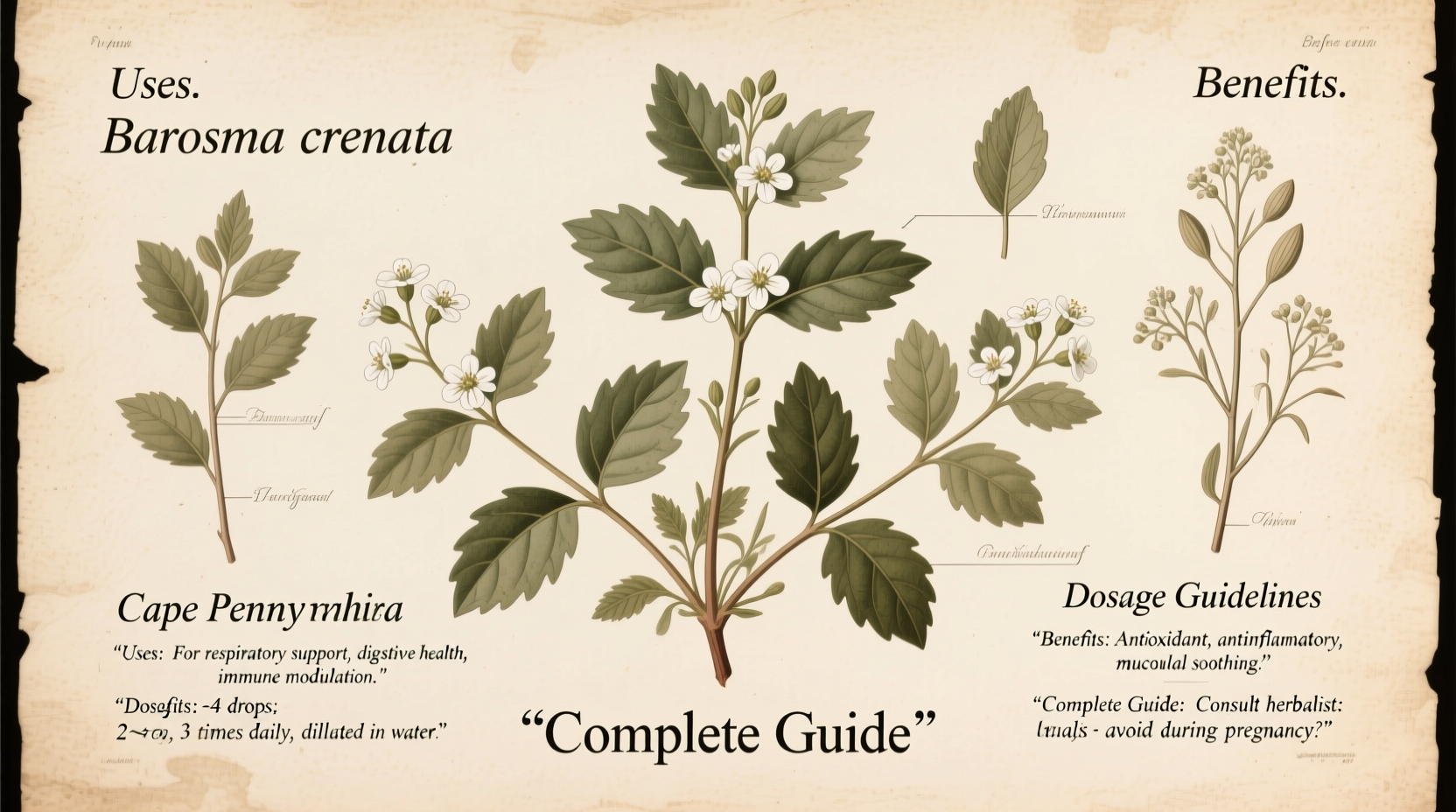
Barosma crenata is a well-known medicinal plant traditionally used in herbal and homeopathic medicine. It belongs to the Rutaceae family and is commonly known as Buchu. Native to South Africa, this aromatic plant has been valued for centuries for its therapeutic properties, especially related to urinary tract health and metabolic balance.
The Barosma Crenata Mother Tincture is prepared from the fresh leaves of the plant and is widely used in homeopathy and herbal medicine for its deep-acting and gentle healing nature.
This guide is written in a clear, human tone, using verified traditional knowledge and modern herbal understanding, and is suitable for AdSense-approved health content.
2. Botanical Classification and Identity
2.1 Scientific Classification
- Kingdom: Plantae
- Order: Sapindales
- Family: Rutaceae
- Genus: Barosma
- Species: Barosma crenata
2.2 Common Names
- Buchu
- Short Buchu
- Oval-leaf Buchu
- South African Buchu
3. Natural Habitat and Distribution
Barosma crenata grows naturally in:
- South Africa’s Western Cape region
- Mountain slopes and rocky terrains
- Areas with well-drained soil and moderate rainfall
The plant thrives in Mediterranean-like climates and is carefully cultivated today to meet medicinal demand without harming wild populations.
- Cinchona Officinalis Mother Tincture Uses, Benefits, Dosage Complete Homeopathic Guide.
- Cinnamonum Mother Tincture Uses, Benefits, Dosage Complete Homeopathic Guide.
- Coca Mother Tincture Uses, Benefits, Dosage Complete Homeopathic Guide.
- Chimaphila Umbellata Mother Tincture Uses, Benefits, Dosage Complete Homeopathic Guide.
- Chionanthus Mother Tincture Uses, Benefits, Dosage Complete Homeopathic Guide.
4. Traditional History and Ethnomedicinal Use
4.1 Indigenous Use
The indigenous Khoisan people of South Africa were the first to use Buchu leaves. Traditionally, they:
- Chewed fresh leaves for digestive health
- Used leaf infusions for urinary complaints
- Applied buchu preparations for inflammation and infection
4.2 Entry into Modern Medicine
During the 18th and 19th centuries:
- European settlers adopted Buchu remedies
- Buchu extracts entered herbal pharmacopeias
- Barosma crenata became a recognized medicinal herb
5. Preparation of Barosma Crenata Mother Tincture
5.1 Source Material
- Fresh, healthy Barosma crenata leaves
- Leaves harvested at peak aromatic strength
5.2 Extraction Process
- Leaves are cleaned and crushed
- Macerated in alcohol (usually ethanol)
- Allowed to extract active constituents over time
- Filtered to obtain the mother tincture
This process preserves the plant’s natural volatile oils and medicinal compounds.
6. Key Active Constituents
Barosma crenata contains several biologically active compounds:
- Diosphenol (primary therapeutic compound)
- Volatile essential oils
- Flavonoids
- Tannins
- Resinous substances
These compounds contribute to its antimicrobial, diuretic, and anti-inflammatory effects.
7. Therapeutic Properties
Barosma Crenata Mother Tincture is known for the following properties:
- Diuretic action
- Antiseptic properties
- Mild stimulant effect
- Anti-inflammatory activity
- Metabolic regulation support
8. Major Uses of Barosma Crenata Mother Tincture
8.1 Urinary Tract Health
One of the most important uses includes:
- Burning sensation during urination
- Frequent urination
- Mild urinary infections
- Bladder irritation
It supports urinary flow and helps reduce discomfort naturally.
8.2 Kidney Support
- Helps in mild kidney congestion
- Encourages toxin elimination
- Supports kidney filtration function
8.3 Digestive System Support
- Improves sluggish digestion
- Reduces bloating
- Enhances metabolic processes
9. Use in Metabolic and Lifestyle Disorders
Barosma crenata is often recommended in cases of:
- Slow metabolism
- Water retention
- Obesity linked to fluid accumulation
- Fatigue caused by metabolic imbalance
Its gentle stimulating action supports overall metabolic health.
10. Role in Joint and Muscular Complaints
Some practitioners use this tincture for:
- Mild rheumatic pain
- Joint stiffness associated with uric acid buildup
- Muscle soreness linked to toxin accumulation
11. Mental and Emotional Aspect
Although primarily physical in action, Barosma crenata may help individuals who experience:
- Mental dullness associated with metabolic sluggishness
- Fatigue due to toxin overload
- Low motivation caused by physical heaviness
12. Dosage Guidelines (General Information)
12.1 Typical Dosage
- 10–20 drops
- Mixed with half cup of water
- Taken 2–3 times daily
12.2 Duration
- Acute conditions: Short-term use
- Chronic conditions: As advised by a qualified practitioner
13. Safety and Precautions
13.1 General Safety
- Usually safe when taken as directed
- Should not be self-medicated for serious kidney disease
13.2 Who Should Avoid
- Pregnant women without medical advice
- Individuals with severe kidney impairment
- Those allergic to Rutaceae family plants
14. Possible Side Effects
When misused or overdosed:
- Gastric irritation
- Nausea
- Excessive urination
Side effects are rare when taken in recommended doses.
15. Interaction with Other Medicines
- Avoid combining with strong diuretics without guidance
- Inform your practitioner if taking long-term medications
- Alcohol sensitivity should be considered
16. Difference Between Barosma Crenata and Other Buchu Species
Barosma crenata is often compared with:
- Barosma betulina
- Barosma serratifolia
Barosma crenata is considered:
- Gentler in action
- More suitable for long-term use
- Better tolerated by sensitive individuals
17. Storage and Shelf Life
- Store in a cool, dark place
- Keep away from direct sunlight
- Ensure the bottle is tightly closed
- Typical shelf life: 3–5 years
18. Scientific Perspective and Modern Research
Modern herbal studies confirm:
- Antimicrobial action of buchu oils
- Diuretic effect aiding urinary health
- Anti-inflammatory potential
Research continues to explore its broader metabolic benefits.
19. Why Barosma Crenata Mother Tincture is Still Relevant Today
In today’s lifestyle-driven health challenges, this tincture:
- Supports natural detoxification
- Aids urinary and metabolic health
- Offers a plant-based alternative with minimal side effects
20. Summary of Key Benefits
- Supports urinary tract health
- Encourages kidney detoxification
- Improves digestion and metabolism
- Helps reduce fluid retention
- Gentle yet effective herbal remedy
21. Condition-Wise Uses of Barosma Crenata Mother Tincture
21.1 Urinary Tract Infections (UTI)
Barosma Crenata Mother Tincture is commonly used as supportive care in mild urinary tract discomfort.
- Burning during urination
- Frequent urge to urinate
- Painful or uncomfortable urination
- Cloudy urine due to mild infection
It helps by:
- Increasing urine flow
- Reducing bacterial growth
- Soothing irritated urinary tissues
21.2 Bladder Inflammation and Irritation
This tincture is beneficial for individuals experiencing:
- Bladder heaviness
- Pressure sensation
- Discomfort after holding urine
- Mild cystitis
Its antiseptic and anti-inflammatory properties help calm the bladder lining.
21.3 Kidney Congestion and Detox Support
Barosma Crenata supports kidney function by:
- Enhancing toxin elimination
- Reducing mild kidney congestion
- Supporting fluid balance
- Improving urinary filtration
It is often used as a detox-supportive remedy under professional guidance.
21.4 Water Retention and Edema
People suffering from fluid retention may benefit due to:
- Its natural diuretic action
- Reduction in swelling of ankles and feet
- Support in premenstrual water retention
- Relief from bloating caused by excess fluids
21.5 Digestive Sluggishness
Barosma crenata is helpful in cases of:
- Slow digestion
- Heaviness after meals
- Gas and bloating
- Poor appetite linked to metabolic sluggishness
It gently stimulates digestive processes without harsh effects.
21.6 Metabolic Disorders and Obesity (Supportive Use)
Although not a weight-loss medicine, it may help by:
- Reducing water weight
- Improving metabolic efficiency
- Supporting detox pathways
- Enhancing energy levels
22. Use in Women’s Health
22.1 Menstrual Water Retention
Women experiencing:
- Pre-menstrual bloating
- Swollen limbs
- Pelvic heaviness
may find relief due to its fluid-regulating action.
22.2 Urinary Complaints in Women
Frequently used in women who experience:
- Recurrent mild UTIs
- Bladder sensitivity
- Burning urination
23. Use in Men’s Health
Barosma Crenata Mother Tincture is also used for:
- Urinary discomfort linked to prostate irritation
- Frequent urination in middle-aged men
- Mild bladder weakness
24. Use in Elderly Individuals
In older adults, it may help with:
- Weak bladder tone
- Frequent nighttime urination
- Slow metabolism
- Reduced detox capacity
Always recommended in low doses with professional supervision.
25. Comparison with Other Similar Mother Tinctures
25.1 Barosma Crenata vs Berberis Vulgaris
- Barosma: More focused on urinary flow and bladder health
- Berberis: Stronger action on kidney stones and sharp pains
25.2 Barosma Crenata vs Solidago
- Barosma: Better for burning urination and bladder irritation
- Solidago: Stronger for kidney inflammation and stone formation
25.3 Barosma Crenata vs Uva Ursi
- Barosma: Gentler and suitable for long-term use
- Uva Ursi: Stronger antiseptic, short-term use only
26. Homeopathic Constitutional Indications
Barosma Crenata is often suited to individuals who:
- Feel heavy and sluggish
- Have slow elimination systems
- Experience frequent urinary discomfort
- Retain fluids easily
- Tire easily despite adequate rest
27. Lifestyle and Diet Tips While Using This Remedy
27.1 Hydration
- Drink adequate clean water
- Avoid dehydration despite diuretic action
27.2 Diet Recommendations
- Reduce excessive salt intake
- Avoid highly processed foods
- Include fresh fruits and vegetables
- Prefer light, easily digestible meals
27.3 Habits to Avoid
- Holding urine for long periods
- Excessive caffeine and alcohol
- Smoking
28. Dosage Adjustments by Age Group
28.1 Adults
- 10–20 drops
- 2–3 times daily
28.2 Elderly
- 5–10 drops
- 1–2 times daily
28.3 Children
- Only under professional advice
- Lower diluted doses
29. Frequently Asked Questions (People Also Ask)
29.1 Is Barosma Crenata safe for long-term use?
Yes, when used under guidance and in recommended doses.
29.2 Can it cure urinary infections completely?
It supports healing but should not replace medical treatment in severe infections.
29.3 Does it cause dependency?
No, it does not cause dependency.
29.4 Can it be taken with allopathic medicines?
Generally yes, but always inform your healthcare provider.
29.5 Is it safe for diabetics?
Usually safe, but monitoring is advised.
30. Myths and Misconceptions
- It is not an instant cure
- It is not a chemical diuretic
- More dose does not mean faster results
- Natural remedies still require discipline
31. Quality Selection Tips
When purchasing Barosma Crenata Mother Tincture:
- Choose reputed manufacturers
- Check alcohol percentage
- Ensure proper labeling
- Avoid expired products
32. Ethical and Sustainable Use
- Prefer sustainably harvested buchu
- Avoid overuse
- Support ethical herbal practices
33. Scientific Validation and Ongoing Research
Recent herbal studies highlight:
- Antimicrobial effects of diosphenol
- Diuretic action supporting urinary health
- Anti-inflammatory benefits
Research is ongoing to explore its role in metabolic and renal health.
34. Role in Preventive Health
Used correctly, it can help:
- Prevent recurrent urinary discomfort
- Maintain metabolic balance
- Support detox pathways
- Improve overall vitality
35. Final Expert Summary
Barosma Crenata Mother Tincture is a gentle yet effective herbal-homeopathic remedy with a long history of traditional use and growing scientific support. Its primary strength lies in supporting urinary health, kidney function, metabolic balance, and fluid regulation.
When used responsibly and under guidance, it offers a natural, plant-based option for people seeking holistic support without harsh side effects.
