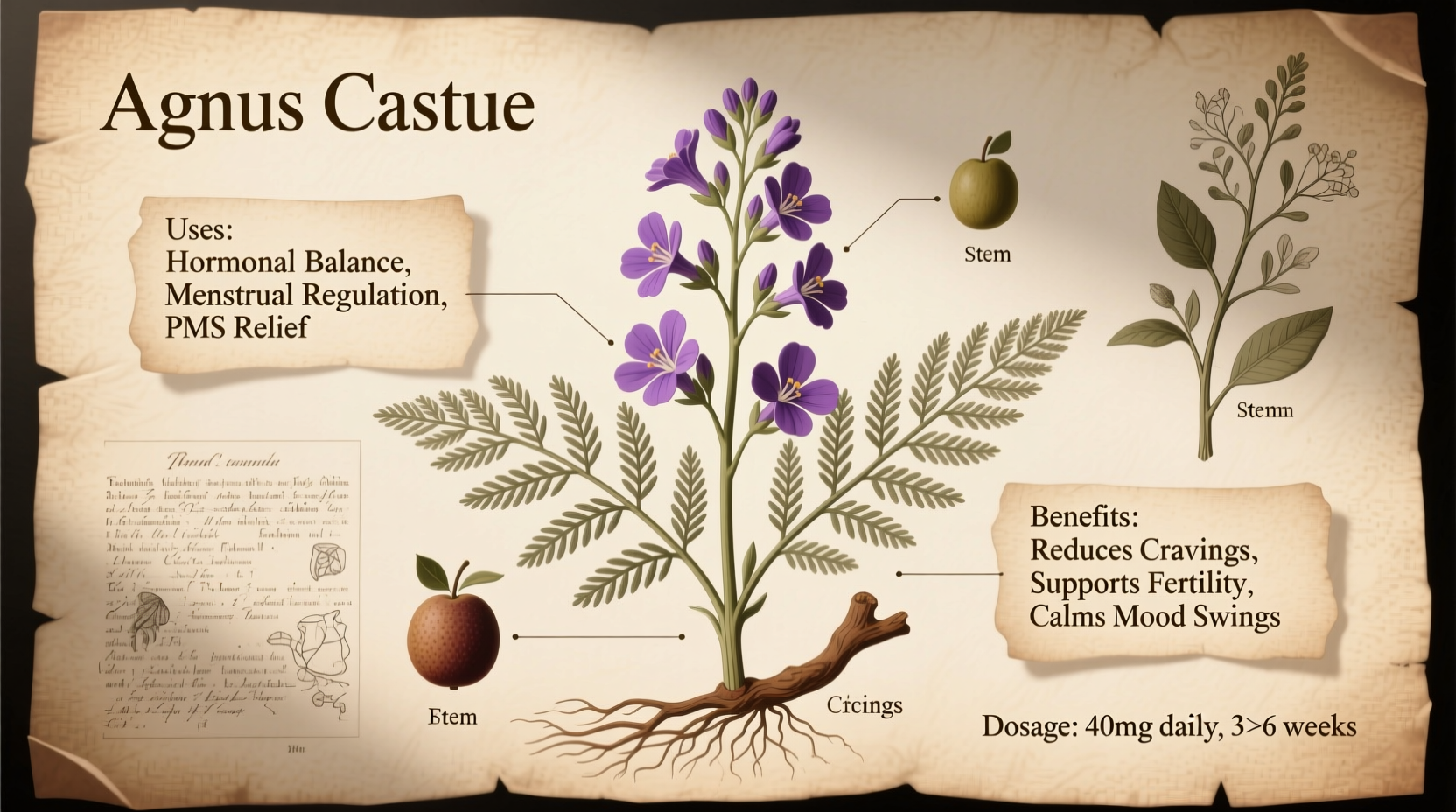
1. Introduction to Agnus Castus Mother Tincture
Agnus Castus Mother Tincture is a widely used homeopathic and herbal remedy prepared from the ripe berries of the Vitex agnus-castus plant. This medicinal plant has been used for centuries in traditional medicine systems, particularly for addressing hormonal imbalances, menstrual disorders, reproductive health concerns, and emotional symptoms linked with hormonal changes.
In homeopathy, Agnus Castus is especially known for its action on the endocrine system, particularly the pituitary gland, which plays a crucial role in regulating reproductive hormones. The mother tincture form is the most concentrated preparation, retaining the full medicinal properties of the plant.
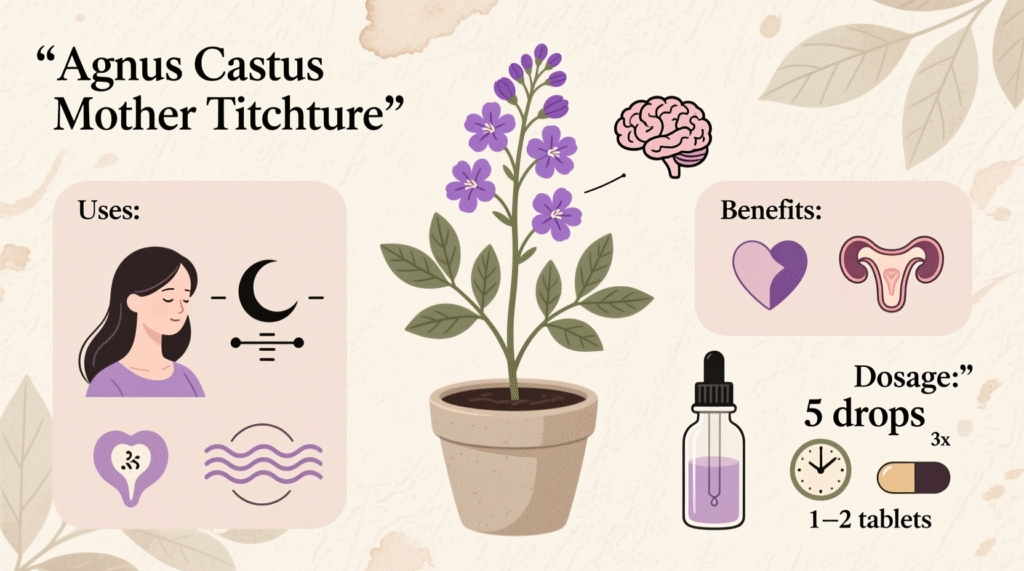
2. Botanical and Scientific Overview
2.1 Botanical Name and Family
- Botanical Name: Vitex agnus-castus
- Common Names: Chaste Tree, Monk’s Pepper, Chasteberry
- Family: Lamiaceae (formerly Verbenaceae)
2.2 Plant Description
Agnus Castus is a deciduous shrub or small tree that grows up to 5–6 meters tall. It produces:
- Slender branches
- Palm-shaped green leaves
- Small purple or bluish flowers
- Pepper-like aromatic berries (used medicinally)
2.3 Parts Used
The dried ripe fruits (berries) are used to prepare Agnus Castus Mother Tincture.
3. Historical and Traditional Use
3.1 Ancient Medicine
Historically, Agnus Castus was used in:
- Ancient Greek medicine
- Roman herbal traditions
- Medieval European monasteries
It earned the name “Monk’s Pepper” because it was believed to reduce sexual desire and was commonly used by monks to maintain celibacy.
3.2 Traditional Indications
Traditionally, Agnus Castus was used for:
- Menstrual irregularities
- Female reproductive disorders
- Emotional instability linked to hormonal changes
- Low libido due to hormonal imbalance
4. Preparation of Agnus Castus Mother Tincture
- Cinchona Officinalis Mother Tincture Uses, Benefits, Dosage Complete Homeopathic Guide.
- Cinnamonum Mother Tincture Uses, Benefits, Dosage Complete Homeopathic Guide.
- Coca Mother Tincture Uses, Benefits, Dosage Complete Homeopathic Guide.
- Chimaphila Umbellata Mother Tincture Uses, Benefits, Dosage Complete Homeopathic Guide.
- Chionanthus Mother Tincture Uses, Benefits, Dosage Complete Homeopathic Guide.
4.1 Method of Preparation
Agnus Castus Mother Tincture is prepared by:
- Collecting ripe Vitex agnus-castus berries
- Drying them under controlled conditions
- Macerating them in alcohol (ethanol) and purified water
- Filtering and standardizing the extract
This method ensures maximum extraction of active compounds such as flavonoids, iridoid glycosides, and essential oils.
4.2 Potency Representation
- Mother tincture is denoted as Q or Ø
- It is the base preparation for higher homeopathic potencies
5. Key Active Compounds and Their Role
Scientific studies have identified several bioactive compounds in Agnus Castus, including:
5.1 Flavonoids
- Support hormonal regulation
- Exhibit antioxidant properties
5.2 Iridoid Glycosides
- Influence pituitary hormone secretion
- Help regulate prolactin levels
5.3 Essential Oils
- Contribute to nervous system balance
- Support emotional well-being
6. How Agnus Castus Mother Tincture Works
6.1 Action on the Pituitary Gland
Agnus Castus primarily works by influencing the pituitary gland, which controls:
- Prolactin
- Estrogen
- Progesterone
By balancing prolactin levels, it indirectly supports the normalization of menstrual cycles and reproductive health.
6.2 Hormonal Regulation
The tincture helps in:
- Correcting progesterone deficiency
- Supporting estrogen-progesterone balance
- Reducing symptoms caused by hormonal fluctuations
7. General Therapeutic Uses of Agnus Castus Mother Tincture
Agnus Castus Mother Tincture is commonly used for the following health concerns:
7.1 Hormonal Imbalance
- Irregular hormone secretion
- Symptoms worsened before menstruation
- Emotional changes linked to hormonal shifts
7.2 Menstrual Disorders
- Delayed or irregular periods
- Painful menstruation
- Premenstrual discomfort
7.3 Emotional and Mental Symptoms
- Mood swings
- Irritability
- Depression associated with hormonal changes
8. Agnus Castus Mother Tincture for Women’s Health
8.1 Premenstrual Syndrome (PMS)
Agnus Castus is widely studied for PMS relief. It may help reduce:
- Breast tenderness
- Headaches
- Irritability
- Mood fluctuations
8.2 Menstrual Cycle Regulation
Regular use under professional guidance may help:
- Normalize cycle length
- Improve ovulatory patterns
- Reduce cycle-related discomfort
9. Agnus Castus Mother Tincture for Breast Health
Agnus Castus has traditionally been used for:
- Breast tenderness before menstruation
- Hormonal breast discomfort
- Sensitivity linked to elevated prolactin
Its prolactin-modulating effect is a key factor in these benefits.
10. Emotional and Nervous System Effects
10.1 Mental State
Agnus Castus may be helpful in individuals experiencing:
- Emotional dullness
- Sadness without clear cause
- Loss of motivation linked to hormonal imbalance
10.2 Stress and Hormonal Connection
Hormonal fluctuations often affect emotional stability. By supporting endocrine balance, the tincture indirectly supports mental calmness and emotional resilience.
11. Agnus Castus Mother Tincture for Men’s Health
Although Agnus Castus is commonly associated with women’s health, it also has significant relevance in men, particularly where hormonal imbalance and nervous system weakness are involved.
11.1 Low Libido and Sexual Weakness
Traditionally, Agnus Castus has been used in cases of:
- Reduced sexual desire
- Loss of vitality
- Mental exhaustion linked with sexual weakness
In homeopathic practice, it is often indicated when sexual desire is diminished due to hormonal or emotional factors, rather than structural disease.
11.2 Prolactin Regulation in Men
Elevated prolactin levels in men can lead to:
- Decreased libido
- Fatigue
- Emotional dullness
Agnus Castus is believed to help regulate prolactin through its action on the pituitary gland, supporting hormonal balance in a natural manner.
12. Agnus Castus Mother Tincture and Fertility
12.1 Role in Female Fertility
Agnus Castus is widely used in natural and complementary medicine to support fertility, especially in cases related to:
- Irregular ovulation
- Luteal phase defects
- Progesterone deficiency
By supporting progesterone balance, it may help create a healthier hormonal environment for conception.
12.2 Support in Hormone-Related Infertility
It is particularly considered when infertility is linked to:
- Irregular menstrual cycles
- Hormonal imbalance rather than anatomical problems
- Emotional stress affecting reproductive health
It is important to note that fertility treatment should always be guided by a qualified healthcare professional.
13. Agnus Castus Mother Tincture in Menopause
13.1 Hormonal Changes During Menopause
During menopause, fluctuating hormone levels may cause:
- Hot flashes
- Mood swings
- Sleep disturbances
- Emotional instability
Agnus Castus may support smoother hormonal transition by helping regulate pituitary hormone signals.
13.2 Emotional Well-Being in Menopause
Women experiencing menopause often report:
- Anxiety
- Low mood
- Reduced emotional resilience
Agnus Castus may help stabilize emotional symptoms when they are clearly linked to hormonal changes.
14. Scientific Research and Clinical Evidence
14.1 Studies on Premenstrual Syndrome (PMS)
Several clinical studies have shown that Vitex agnus-castus extracts may reduce:
- Breast tenderness
- Irritability
- Headaches
- Mood changes associated with PMS
These effects are attributed to its influence on prolactin and dopamine pathways.
14.2 Evidence in Hormonal Regulation
Research suggests that Agnus Castus acts as a dopaminergic agent, which may:
- Reduce prolactin secretion
- Support balance between estrogen and progesterone
While more large-scale studies are needed, existing evidence supports its traditional use.
15. Dosage of Agnus Castus Mother Tincture
15.1 General Homeopathic Dosage
The commonly recommended dosage is:
- 10 to 20 drops
- Mixed in half a cup of water
- Once or twice daily
Dosage may vary depending on age, condition, and sensitivity.
15.2 Duration of Use
- Hormonal remedies often require consistent use over several weeks
- Visible benefits may appear gradually
- Long-term use should be supervised by a qualified practitioner
16. Best Time to Take Agnus Castus Mother Tincture
Agnus Castus is generally advised to be taken:
- In the morning or early afternoon
- On an empty stomach or as advised
Consistency in timing helps support hormonal rhythm regulation.
17. Safety, Side Effects, and Precautions
17.1 Possible Side Effects
Agnus Castus Mother Tincture is generally well tolerated, but some individuals may experience:
- Mild headache
- Digestive discomfort
- Temporary changes in menstrual pattern
These effects are usually mild and self-limiting.
17.2 Who Should Avoid It
Caution is advised for:
- Pregnant women
- Breastfeeding mothers
- Individuals on hormonal medications
Always consult a healthcare professional before use.
18. Drug Interactions and Medical Caution
Agnus Castus may interact with:
- Hormonal therapies
- Dopamine-related medications
- Oral contraceptives
Professional guidance is recommended if you are on long-term medication.
19. Comparison with Other Homeopathic Remedies
19.1 Agnus Castus vs Sepia
- Agnus Castus: More suited for hormonal weakness and emotional dullness
- Sepia: Often indicated in irritability and hormonal exhaustion
19.2 Agnus Castus vs Pulsatilla
- Agnus Castus: Hormonal regulation with emotional flatness
- Pulsatilla: Emotional sensitivity and mood changes
Remedy selection should be individualized.
20. Lifestyle Support Along with Agnus Castus
For better results, it is often combined with:
- Balanced nutrition
- Stress management
- Adequate sleep
- Gentle physical activity
Lifestyle balance plays a key role in hormonal health.
